The rush hits you as you step into a virtual world. It’s not just a game; it’s an experience. If you’re like me, you crave more than just the usual screen time.
You want to live it. This is where virtual reality gaming comes in, promising an adrenaline-packed journey through immersive landscapes.
But is it all hype? Many gamers are seeking deeper, more realistic experiences, and I’ve spent years dissecting gaming trends to find those gems. The kind that pulls you in and won’t let go.
I’ve analyzed mechanics and techniques, separating truly engaging games from the rest. You want to know how to boost your gaming immersion and make it worth every second.
That’s what this article is about. I’ll share personal takeaways and industry knowledge, uncovering ways to dive deeper into these digital realms. Are you ready to transform your gaming nights into true adventures?
Let’s explore together.
The Evolution of Immersive Gaming: From Pixels to Portals
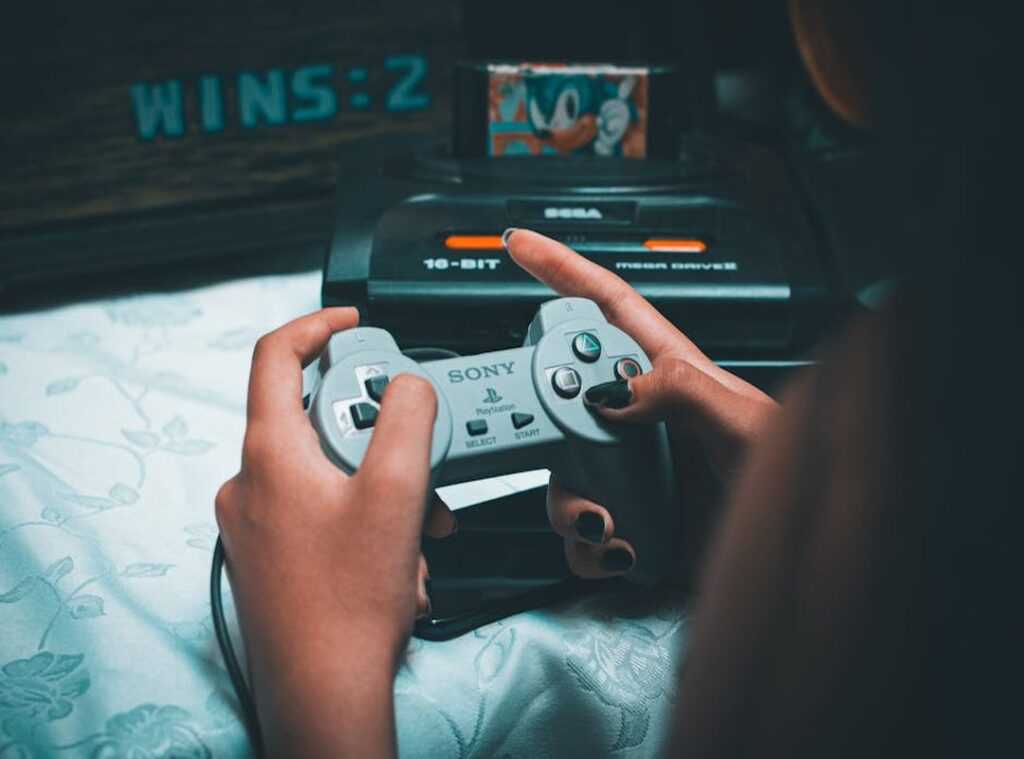
I remember when gaming was all about those chunky 8-bit graphics. Nostalgia, right? But let’s face it, we’ve come a long way.
Now, we’re diving headfirst into virtual reality gaming. It’s like living inside a game. But how did we get here?
The leap from pixels to today’s hyper-realistic worlds didn’t happen overnight. It was a series of technological breakthroughs. Think about the jump from simple sprites to complex 3D models.
Then came better GPUs (graphics processing units, for the uninitiated). These chips turned our wildest gaming dreams into reality, making environments more detailed and lifelike.
But what’s a game without some legends? Titles like “The Legend of Zelda” and “Final Fantasy VII” set serious benchmarks. They didn’t just raise the bar; they blew it out of the water.
Fast forward to today, and we have games like “The Witcher 3” and “Cyberpunk 2077” that redefine immersion.
These changes have made gamers expect more. Remember when saving a princess was enough? Now, players demand vast open worlds and detailed storylines.
This shift has forced the industry to adapt, constantly pushing tech boundaries. The Game Releases Watch 2023 is a this evolution, highlighting what’s next on our gaming radar.
Pro tip: If you haven’t tried VR yet, do it. It’s a game-changer (literally). But be warned, once you start, you might never want to leave.
Who wouldn’t want to escape reality, even just for a bit?
Dive Into Gaming: Unveiling Immersive Elements
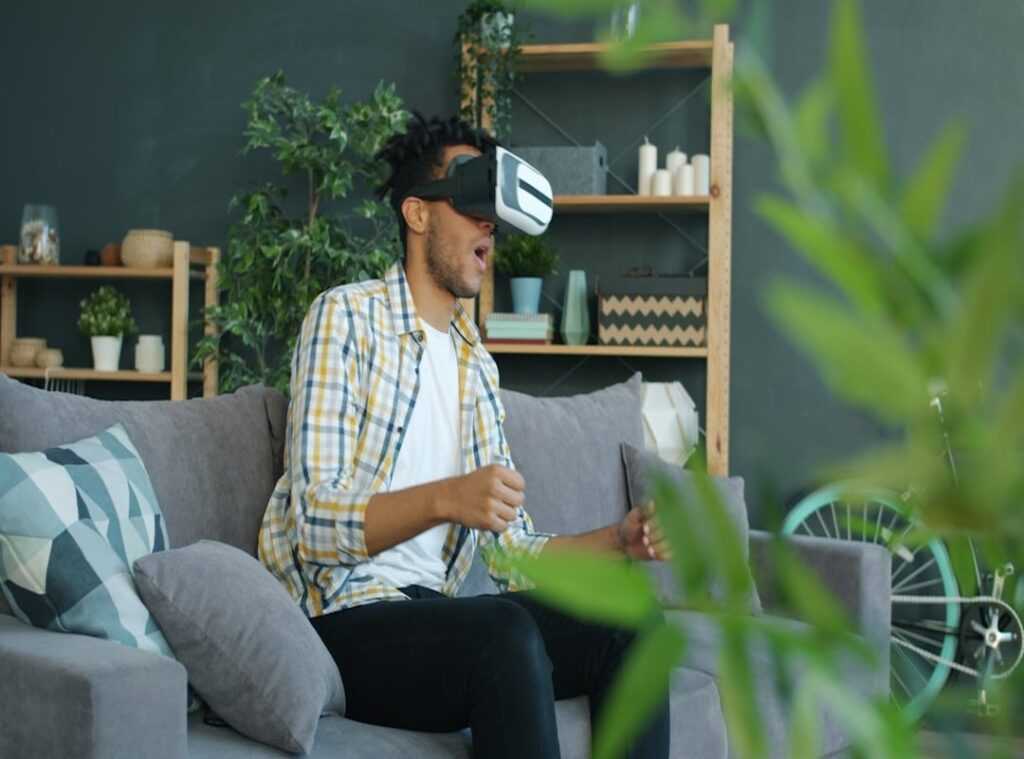
Immersive gameplay isn’t just a buzzword. It’s the core of what makes virtual reality gaming so fascinating. When you strap on one of the best VR headsets, you’re not just playing a game.
You’re stepping into another world. But what makes this possible?
Virtual Reality (VR) is the main player here. It tricks your senses into believing you’re somewhere else. Your living room becomes a battlefield or a fantasy area. It’s like science fiction, but real. Then there’s Augmented Reality (AR), which layers digital elements over our real world. Think Pokémon Go. You’re walking down the street and suddenly, there’s Pikachu. It’s like a magic overlay on reality.
Now, throw advanced AI into the mix. This tech makes games smarter. Characters react to your actions in real-time.
They learn and adapt, making every playthrough unique. Remember how NPCs in games used to feel like cardboard cutouts? Not anymore.
Now, they have more personality than some TV characters.
Do these elements work together? Absolutely. They create a smooth experience.
Take the game No Man’s Sky. It uses procedural generation (fancy term for AI creating endless worlds) to make sure every planet feels different. Or Half-Life: Alyx.
It’s a VR masterpiece that blends storytelling, environment, and interaction perfectly. And the result? Players get sucked in.
They feel engaged, satisfied, and often lose track of time. Isn’t that the dream? To forget reality for a while and become someone else, somewhere else.
It’s about total immersion. Who wouldn’t want that?
Level Up: Boost Your Gaming Setup
Want to make your gaming experience unforgettable? First off, ditch the old gear. Seriously, a decent setup makes all the difference.
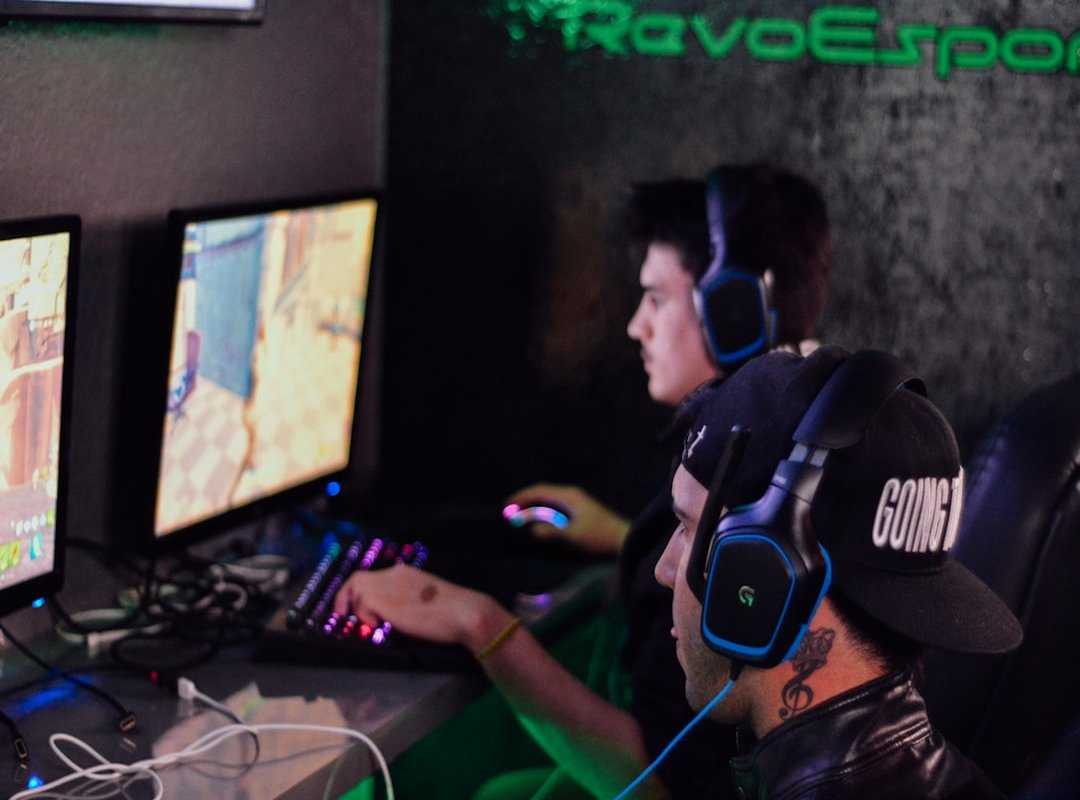
A good VR headset is a must for virtual reality gaming. It drops you right into the action. But let’s not forget comfort: a gaming chair that supports your back can keep you playing for hours (and trust me, you’ll want to).
Now, audio. Invest in a solid sound system. You’ll hear everything, from footsteps to explosions.
It makes the game feel real. Also, tweak those game settings for better immersion. Max out graphics and audio settings if your rig can handle it.
The difference is night and day.
Thinking multiplayer? Communication is key. Get a quality headset with a mic.
Coordinate with your team and watch your win rate soar. (Pro tip: mute annoying teammates. You’ll thank me later.)
Curious about how tech shapes games? Check out ai changing game development. AI’s revolutionizing how we play.
In the end, your setup defines your experience. Choose wisely, and you’ll be in for a wild ride.
Gaming’s Future: Immersion Evolved
Virtual reality gaming is about to get wild. I’ve seen the whispers about what’s next: AI and machine learning that build games in real-time, adapting to your every move. Imagine a game changing as you play, crafting unique scenarios based on your actions.
Sounds a bit like science fiction, right? But it’s not. AI is already here, and it’s sneaking into gaming like it’s nobody’s business.
Then there’s 5G. Remember waiting forever for that game download? With 5G, it’s fast game loads and smooth cloud gaming.
You can say goodbye to those hefty downloads hogging your drive. Your game, streamed directly, no fuss. All that data zipping through the air, creating a smoother experience.
Let’s not forget esports. That’s going to skyrocket with these new trends. Imagine the pressure on competitors when games can change on the fly.
A whole new level of plan, with players needing to adapt in real-time. It’s no longer just about reflexes, but decision-making too.
The impact of cloud gaming cannot be understated. It democratizes access. More players, more competition, more excitement.
But (and there’s always a but) it makes me wonder: will this tech make competitive gaming fairer, or widen the gap between casual and pro? It’s a double-edged sword.
And for the spectators? Immersive tech means watching games will be almost as thrilling as playing. Ever watched a football match from the sidelines?
Imagine that in esports. As these trends unfold, gaming will become not just a pastime but a fully immersive experience. Buckle up, it’s going to be a wild ride.
Game On: Dive into the Future of Play
Ever thought about how virtual reality gaming could change your play? It’s like swapping black-and-white TV for color. Understanding these immersive technologies is your ticket to more intense gameplay.
I’ve seen it transform how people engage with games. You feel every twist and turn.
But how do you build that setup? Start exploring new tech. Surround yourself with the latest gadgets.
Don’t just stick to your old routine. Mix it up. Try something new.
You might discover a whole new way to enjoy your favorite game.
Got a tip or a cool experience? Share it. Your takeaways can spark ideas for others.
Imagine a community where everyone is leveling up their game.
Ready to level up? Visit doatoike.com. We’ve got the buzz, tactics, and strategies you need.
Don’t wait. Jump in and see how your gaming can evolve. The future of play is waiting for you.
 There is a specific skill involved in explaining something clearly — one that is completely separate from actually knowing the subject. Kathleen Vineswaren has both. They has spent years working with core game mechanics and strategies in a hands-on capacity, and an equal amount of time figuring out how to translate that experience into writing that people with different backgrounds can actually absorb and use.
Kathleen tends to approach complex subjects — Core Game Mechanics and Strategies, Daily Gaming Setup Hacks, Expert Breakdowns being good examples — by starting with what the reader already knows, then building outward from there rather than dropping them in the deep end. It sounds like a small thing. In practice it makes a significant difference in whether someone finishes the article or abandons it halfway through. They is also good at knowing when to stop — a surprisingly underrated skill. Some writers bury useful information under so many caveats and qualifications that the point disappears. Kathleen knows where the point is and gets there without too many detours.
The practical effect of all this is that people who read Kathleen's work tend to come away actually capable of doing something with it. Not just vaguely informed — actually capable. For a writer working in core game mechanics and strategies, that is probably the best possible outcome, and it's the standard Kathleen holds they's own work to.
There is a specific skill involved in explaining something clearly — one that is completely separate from actually knowing the subject. Kathleen Vineswaren has both. They has spent years working with core game mechanics and strategies in a hands-on capacity, and an equal amount of time figuring out how to translate that experience into writing that people with different backgrounds can actually absorb and use.
Kathleen tends to approach complex subjects — Core Game Mechanics and Strategies, Daily Gaming Setup Hacks, Expert Breakdowns being good examples — by starting with what the reader already knows, then building outward from there rather than dropping them in the deep end. It sounds like a small thing. In practice it makes a significant difference in whether someone finishes the article or abandons it halfway through. They is also good at knowing when to stop — a surprisingly underrated skill. Some writers bury useful information under so many caveats and qualifications that the point disappears. Kathleen knows where the point is and gets there without too many detours.
The practical effect of all this is that people who read Kathleen's work tend to come away actually capable of doing something with it. Not just vaguely informed — actually capable. For a writer working in core game mechanics and strategies, that is probably the best possible outcome, and it's the standard Kathleen holds they's own work to.