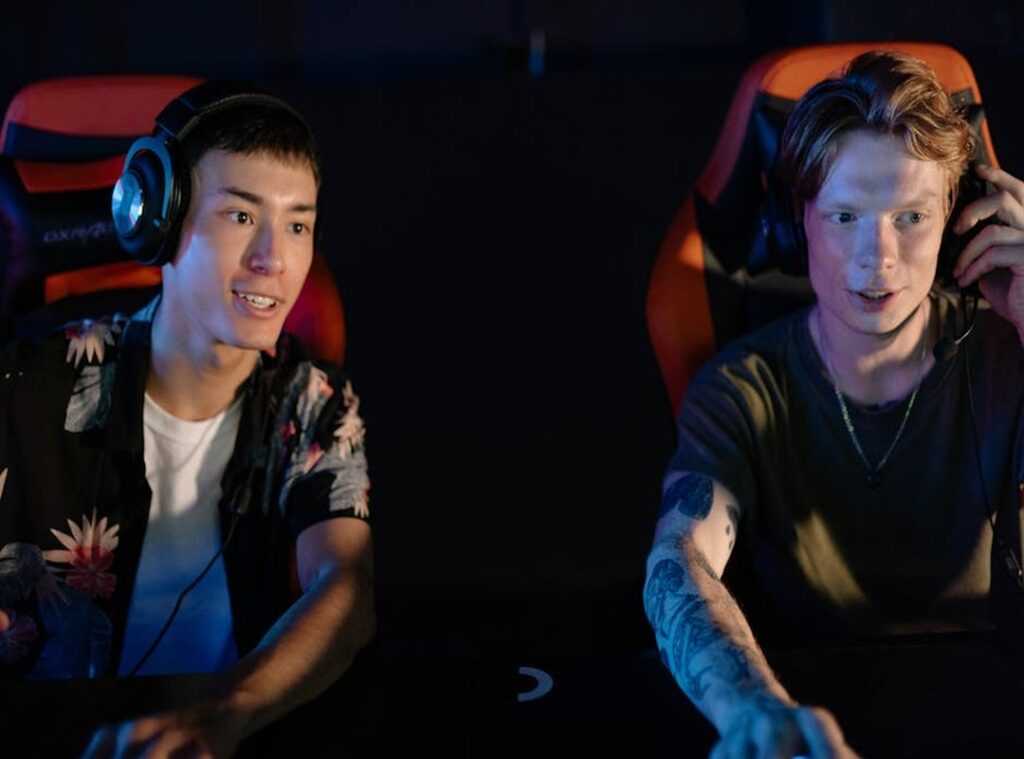
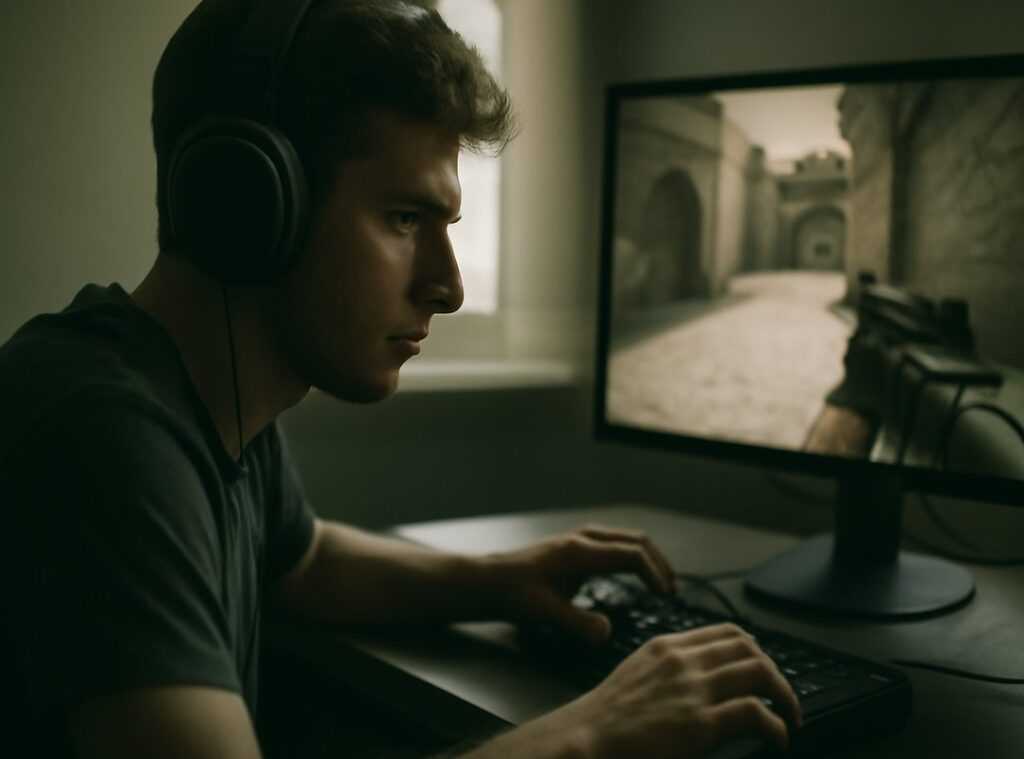
The FPS genre evolves so fast, today’s meta is tomorrow’s old news. You ever feel like you’re just catching up with the FPS games meta? This article doesn’t just list what’s popular.
It’s a deep dive into core FPS trends, shaping how we play, compete, and connect. We’ve tracked thousands of hours of gameplay, meta shifts, and esports tactics to make sense of this. It’s not just theory; it’s the real deal.
So, ready to understand where the genre is headed? You’ll leave with a clear edge in your favorite games and conversations. Trust this; we’ve done the homework.
Trend Alert: High-Stakes Extraction Shooters
Ever heard of Extraction Shooters? They’re like the ultimate adrenaline rush. You dive in, snag loot, and bolt for safety (or) lose everything.
Games like Escape from Tarkov, Hunt: Showdown, and the upcoming Marathon are leading this charge. But what’s the hook? It’s all about the psychology of ‘gear fear.’ You know, that pit in your stomach when your hard-earned loot is on the line.
This genre isn’t just about twitch reflexes. It’s tactical. Planning your approach, weighing risks, and knowing the map inside out is key.
This shift in gameplay focuses on plan over pure speed. In FPS games meta, it’s a game-changer (pun intended).
The heart-pounding thrill of permanent loss is what keeps players coming back. You can’t just respawn and try again. Once you lose, it’s gone.
And trust me, that stakes-raising mechanic? It’s addictive. But why?
Maybe it’s the human love for high stakes. Or maybe we just like the thrill of danger.
But the trend doesn’t stop at niche titles. It’s bleeding into mainstream games. Look at Call of Duty’s DMZ mode.
It’s proof that this high-stakes approach is gaining traction. Even big titles can’t resist the allure of extraction mechanics.
And let’s not forget the impact on team dynamics. The rise of these games prompts a rethink of team-based vs solo play metas. So, are you ready to risk it all for the thrill of the chase?
You might just find your new gaming obsession.
Trend 2: The Great Divide – Tactical Realism vs. Arcade Movement
FPS games meta has taken a wild turn lately, splitting into two distinct paths. On one end, we have tactical realism. Games like Ready or Not and Gray Zone Warfare bring a heavy focus on slow, deliberate pacing and realistic weapon mechanics.
It’s all about feeling like you’re really there, crouching through shadows, every bullet as precious as gold. You get one shot, and if you miss, well, you’re probably done for.
Then there’s the other side of the coin: arcade and arena-style movement. You want fast, flashy, and maybe a little chaotic? Check out The Finals and XDefiant.
These games are all about speed and style (slides, dashes, and a whole lot of jumps). They offer creative environmental destruction too, making every match feel like a rollercoaster ride. It’s about moving so fast the enemy can’t pin you down.
But this isn’t about which side is ‘better’. That’s not the point. It’s about specialization, letting players find exactly what they love.
Are you in for a tactical crawl or a high-speed chase? The beauty is, you get to choose what fits you.
I recently came across an article where i played the best new vr and got a taste of these diverging paths. The choice between tactical realism and arcade frenzy isn’t just a trend. It’s a defining moment in how we play, and it’s thrilling to see where it leads.
Smarter AI and Procedural Generation: The Replay Revolution
AI in gaming is evolving. Gone are the days of predictable, “on-rails” enemies that march in straight lines. Now, they’re changing, reacting to your every move.
Ever notice how some games seem to know your plan and counter it? That’s the beauty of smarter AI at work. In PvE-focused games, enemies don’t just attack.
They coordinate. They adapt. This complexity is making its way into co-op FPS experiences, where unpredictability is the new standard.
Procedural generation is another game-changer. Tired of the same old maps? Developers are using this tech to shake things up.
They offer nearly infinite replay value, making each playthrough unique.
Randomized map layouts, enemy placements, and objectives mean no two sessions are alike. It’s like having a new game every time you play. Roguelike FPS games like Roboquest and Gunfire Reborn are perfect examples.
So, how does this affect the FPS games meta? It’s simple. These innovations keep players on their toes, constantly adapting and strategizing.
You can’t just memorize enemy patterns anymore. You have to think, plan, and react. It makes for a richer, more engaging experience.
If you’re curious about how these trends fit into the bigger picture, check out the Current Trends Multiplayer Gaming. It’s all about staying ahead of the curve.
Live Service 2.0: Monetization and Content Shake-Up
The evolution of the live service model in gaming is something I can’t ignore. It feels like every time I log into an FPS game, there’s some new way they’re trying to monetize their content. Gone are the days of random loot boxes.

Now it’s all about battle passes and direct-purchase cosmetic stores.
And honestly? I think it’s a step in the right direction. Players want transparency.
They want to know what they’re getting. The randomness of loot boxes always felt a bit like gambling. With battle passes, you see your rewards.
You can plan your progression. It’s clear.
But let’s not pretend it’s all sunshine. There’s a darker side. The pressure of FOMO (Fear Of Missing Out) can be intense.
Miss a season, and you might miss out on exclusive content forever. Plus, these seasons can be grind-heavy. You almost feel chained to the game, logging in daily just to keep up.
On the plus side, I’m seeing more ambitious content with these updates. It’s not just about new skins anymore. We’re talking significant map changes and new game mechanics.
Games like Fortnite and Apex Legends are leading the charge. They push the narrative forward in ways that make each season feel like a major event. Not just a minor patch.
In the world of FPS games meta, the trend is clear. Successful games treat updates like blockbuster movie releases. That’s what keeps players engaged.
You’re not just playing a game. You’re part of a story. And that’s the real magic.
Cross-Platform Play: The New Normal
Cross-play isn’t a perk anymore. It’s an expectation. Players demand it, and I get why.
Imagine being stuck on one platform, unable to join friends just because they chose a different console. Ridiculous, right? Now, with smooth cross-platform play, that’s a problem of the past. Larger matchmaking pools mean you find games faster.
No more waiting forever in queues. You dive right in.
But it’s not all roses. Developers face real headaches. Balancing a game for both controller users and mouse/keyboard warriors?
That’s a nightmare. Fairness is key, especially in competitive FPS games. The meta shifts when everyone can play together.
It creates a lively, long-term community.
Here’s a pro tip: always check if your favorite game supports cross-play. Don’t get left out. This trend’s not just a nice-to-have.
It’s fundamental. And it’s here to stay. Don’t settle for less when gaming.
Stay Sharp in the FPS Game World
The FPS games meta is shifting fast. High-stakes extraction modes and smarter AI are shaking up the space. Sticking with old tactics won’t cut it anymore.
But why should we care? Simple. Understanding these trends gives us a strategic edge.
The next wave of top shooters will be defined by these changes.
So, what’s the move? Keep an eye on these trends. Watch how they’re shaping the games you love.
Dive into what’s coming next. Ready to dominate the battlefield? Visit doatoike.com for takeaways that keep you ahead.
Don’t just play the game. Master it.
 Deloresentia Villanueva writes the kind of core game mechanics and strategies content that people actually send to each other. Not because it's flashy or controversial, but because it's the sort of thing where you read it and immediately think of three people who need to see it. Deloresentia has a talent for identifying the questions that a lot of people have but haven't quite figured out how to articulate yet — and then answering them properly.
They covers a lot of ground: Core Game Mechanics and Strategies, Daily Gaming Setup Hacks, Expert Breakdowns, and plenty of adjacent territory that doesn't always get treated with the same seriousness. The consistency across all of it is a certain kind of respect for the reader. Deloresentia doesn't assume people are stupid, and they doesn't assume they know everything either. They writes for someone who is genuinely trying to figure something out — because that's usually who's actually reading. That assumption shapes everything from how they structures an explanation to how much background they includes before getting to the point.
Beyond the practical stuff, there's something in Deloresentia's writing that reflects a real investment in the subject — not performed enthusiasm, but the kind of sustained interest that produces insight over time. They has been paying attention to core game mechanics and strategies long enough that they notices things a more casual observer would miss. That depth shows up in the work in ways that are hard to fake.
Deloresentia Villanueva writes the kind of core game mechanics and strategies content that people actually send to each other. Not because it's flashy or controversial, but because it's the sort of thing where you read it and immediately think of three people who need to see it. Deloresentia has a talent for identifying the questions that a lot of people have but haven't quite figured out how to articulate yet — and then answering them properly.
They covers a lot of ground: Core Game Mechanics and Strategies, Daily Gaming Setup Hacks, Expert Breakdowns, and plenty of adjacent territory that doesn't always get treated with the same seriousness. The consistency across all of it is a certain kind of respect for the reader. Deloresentia doesn't assume people are stupid, and they doesn't assume they know everything either. They writes for someone who is genuinely trying to figure something out — because that's usually who's actually reading. That assumption shapes everything from how they structures an explanation to how much background they includes before getting to the point.
Beyond the practical stuff, there's something in Deloresentia's writing that reflects a real investment in the subject — not performed enthusiasm, but the kind of sustained interest that produces insight over time. They has been paying attention to core game mechanics and strategies long enough that they notices things a more casual observer would miss. That depth shows up in the work in ways that are hard to fake.