When you see one of dunyasha nude‘s photos for the first time, it’s like a breath of fresh air. You feel something. It’s not just a picture; it’s a story unfolding before your eyes.
This article is about moving beyond that initial wow and diving into what makes her work so special. We’re going to break down her techniques and show you how to bring that same soulful, artistic style into your own photography.
Are you tired of taking generic snapshots? Do you want to create something meaningful but don’t know where to start? Her style isn’t about fancy gear.
It’s about seeing the world differently.
Let’s get into it.
The Emotional Core: What Makes Her Photography Art?
When you look at her portfolio, a few themes jump out. Solitude, nostalgia, and human connection with nature are woven through every shot. These aren’t just pretty pictures; they’re stories.
Her work often feels melancholic, dreamlike, and cinematic. It’s like stepping into a world where time moves differently. You can almost hear the soft rustle of leaves or the distant echo of a forgotten memory.
She uses subjects as characters in a silent narrative. Each photo invites you to imagine the story behind it. Who is this person?
What are they thinking? It’s not just about seeing; it’s about feeling.
One of her photos, dunyasha nude, captures a woman standing by a misty lake. The soft focus and motion blur add to the dreamlike quality. It’s not about technical perfection; it’s about emotional depth.
The intentional imperfection makes the scene more real, more relatable.
In her portraits, she has a knack for capturing vulnerability and authenticity. They feel like intimate glimpses rather than posed shots. There’s a rawness that draws you in, making you connect with the subject on a deeper level.
Another example is a photo of an old man sitting alone on a park bench. The film grain and soft lighting make the scene feel timeless. It’s a quiet introspection, a moment frozen in time, inviting you to reflect on your own memories and experiences.
These elements come together to create a body of work that resonates. It’s not just about the visuals; it’s about the emotions they evoke.
Deconstructing the Visual Language: Light, Color, and Composition
I love using soft, diffused natural light. It’s like the gentle touch of an overcast day or the subtle glow through a window. This kind of light creates painterly, low-contrast scenes that feel almost dreamlike.
My color palette is all about muted, desaturated tones. Earthy colors and a cohesive, film-like color grade unify my work. It’s like the faded, nostalgic hues you see in old photographs.
Composition is key. I often use negative space to give the viewer room to breathe. Leading lines guide your eye, and placing subjects slightly off-center creates a sense of longing or contemplation.
Depth of field is another tool in my kit. A shallow depth isolates the subject, blurring the background into an abstract, emotional texture. It’s like the world around them fades away, leaving only the moment.
Texture and grain add a tangible, nostalgic, and timeless quality to my images. It’s the feeling of holding a well-worn book or touching the rough surface of an old photograph. These elements make the scene more real, more relatable.
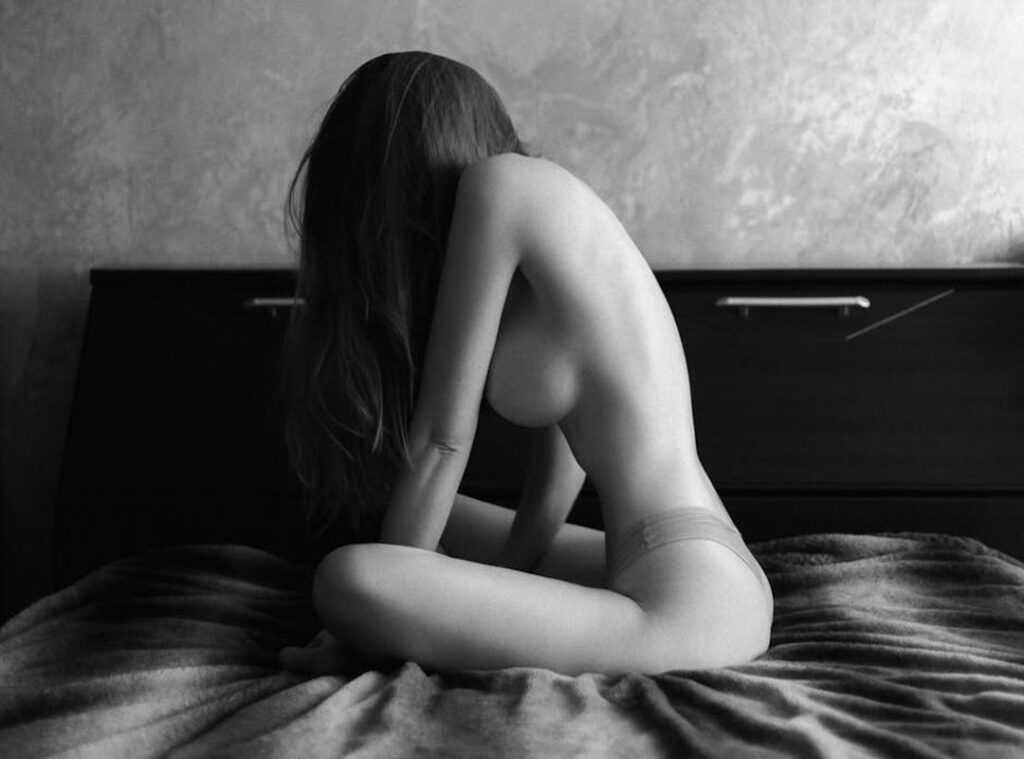
Let’s take a look at one photo. In this image, dunyasha nude is bathed in soft, diffused light. The muted, desaturated tones create a calm, almost melancholic mood.
The composition uses negative space and off-center placement, drawing your eye to the subject and evoking a sense of introspection. The shallow depth of field blurs the background, making the subject stand out and adding an emotional layer. The texture and grain give it a timeless, nostalgic feel, as if you’re looking at a memory from long ago.
- Soft, diffused natural light
- Muted, desaturated tones
- Negative space and off-center placement
- Shallow depth of field
- Texture and grain
These elements work together to tell a specific story, one that feels both intimate and universal.
The Tools of the Artist (And Why Vision Matters More)
You’ve probably heard it a thousand times: “What camera does she use?” It’s a common question, but the truth is, the gear is just a tool. In Arlington, Virginia, you’ll see a lot of photographers using full-frame mirrorless or DSLR cameras. These are great for capturing high-quality images.
Prime lenses like 35mm, 50mm, and 85mm with wide apertures (f/1.4, f/1.8) are also popular. They help achieve that shallow depth of field and beautiful bokeh. But here’s the kicker: the gear is secondary to the artist’s vision.
Understanding light and emotion is what truly sets a photographer apart. You can have the most expensive setup, but without a clear artistic direction, your photos will fall flat.
Vintage manual focus lenses are a fantastic and affordable alternative. They can give you a similar look without breaking the bank. Plus, they add a unique character to your shots.
Post-processing is another key element. Editing isn’t about fixing bad photos; it’s about enhancing the mood and color story envisioned during the shoot. A simple, well-executed edit can make a huge difference.
Mastering a simple camera setup is more powerful than owning a dozen expensive lenses. Focus on your vision and the story you want to tell. That’s where the magic happens.
Dunyasha nude in a carefully composed shot can be striking, but it’s the vision behind the lens that makes it memorable.
In the end, it’s not about the tools. It’s about how you use them. If you’re looking to improve your skills, this guide can help you understand the basics and build from there.
5 Steps to Infuse Your Photography with Artistic Flair

Find the story. Before you even pick up your camera, think about the emotion or narrative you want to convey. What’s the dunyasha nude feeling you’re after?
Is it joy, melancholy, or something else?
Chase the soft light. The best times to shoot are during the golden hour, on overcast days, or using a single window as a light source. Soft light can make your photos look more natural and inviting.
Embrace simplicity. Focus on a single subject and use negative space to eliminate distractions. This amplifies the emotional impact of your photo.
Less is often more.
Shoot with intention. Slow down and be deliberate with your composition and focus. Think about every element in the frame.
Does it add to the story, or is it just noise?
Develop a cohesive edit. Create a simple editing preset that emphasizes muted colors and soft contrast. Consistency in your editing style helps build a recognizable and professional portfolio.
Your Art is Waiting: Start Creating More Soulful Images Today
Dunyasha’s artistic photography is a masterclass in using technical skills to serve an emotional purpose. The key takeaways are to focus on story, master soft light, and simplify the composition.
You now have the foundational knowledge to stop taking simple snapshots and start creating evocative art. Challenge yourself to try one of the five steps on your next shoot and see the immediate difference in your work.
Find your own unique artistic voice, using these principles as a guide.
 Vynric Zephorin is the kind of writer who genuinely cannot publish something without checking it twice. Maybe three times. They came to multiplayer trends and meta shifts through years of hands-on work rather than theory, which means the things they writes about — Multiplayer Trends and Meta Shifts, Toike Esports Tactics and Team Plays, Daily Gaming Setup Hacks, among other areas — are things they has actually tested, questioned, and revised opinions on more than once.
That shows in the work. Vynric's pieces tend to go a level deeper than most. Not in a way that becomes unreadable, but in a way that makes you realize you'd been missing something important. They has a habit of finding the detail that everybody else glosses over and making it the center of the story — which sounds simple, but takes a rare combination of curiosity and patience to pull off consistently. The writing never feels rushed. It feels like someone who sat with the subject long enough to actually understand it.
Outside of specific topics, what Vynric cares about most is whether the reader walks away with something useful. Not impressed. Not entertained. Useful. That's a harder bar to clear than it sounds, and they clears it more often than not — which is why readers tend to remember Vynric's articles long after they've forgotten the headline.
Vynric Zephorin is the kind of writer who genuinely cannot publish something without checking it twice. Maybe three times. They came to multiplayer trends and meta shifts through years of hands-on work rather than theory, which means the things they writes about — Multiplayer Trends and Meta Shifts, Toike Esports Tactics and Team Plays, Daily Gaming Setup Hacks, among other areas — are things they has actually tested, questioned, and revised opinions on more than once.
That shows in the work. Vynric's pieces tend to go a level deeper than most. Not in a way that becomes unreadable, but in a way that makes you realize you'd been missing something important. They has a habit of finding the detail that everybody else glosses over and making it the center of the story — which sounds simple, but takes a rare combination of curiosity and patience to pull off consistently. The writing never feels rushed. It feels like someone who sat with the subject long enough to actually understand it.
Outside of specific topics, what Vynric cares about most is whether the reader walks away with something useful. Not impressed. Not entertained. Useful. That's a harder bar to clear than it sounds, and they clears it more often than not — which is why readers tend to remember Vynric's articles long after they've forgotten the headline.