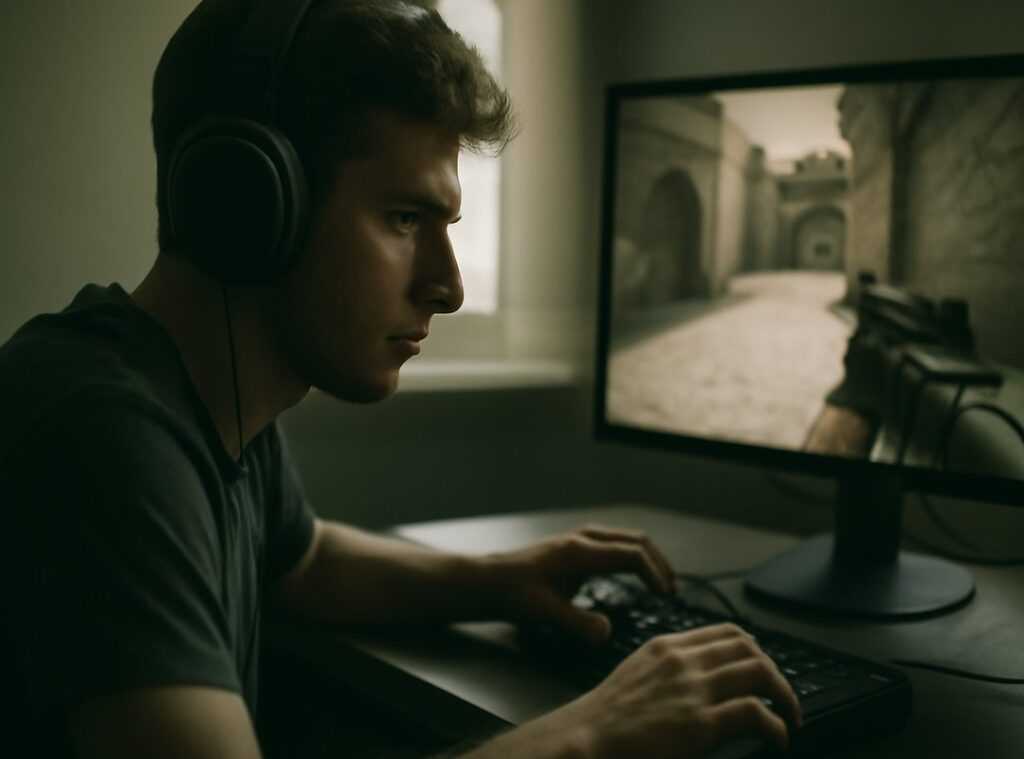

If you’re searching for practical ways to sharpen your gameplay, understand evolving multiplayer trends, and gain a competitive edge in Toike esports, you’re in the right place. The modern gaming landscape moves fast—mechanics shift, metas evolve, and small optimizations can mean the difference between victory and defeat. This article is designed to break down core game mechanics in clear, actionable terms, highlight emerging multiplayer patterns, and share daily gaming hacks that actually make a difference.
We’ve analyzed high-level match data, competitive play strategies, and real-world gameplay scenarios to ensure the insights here are accurate, relevant, and immediately useful. From advanced Toike esports tactics to overlooked performance boosters like gaming cable management hacks, every section focuses on helping you play smarter and more efficiently.
Whether you’re a casual player aiming to improve or a competitive gamer refining your strategy, you’ll find practical, trustworthy guidance tailored to today’s gaming environment.
From Cable Chaos to Command Center
Every gamer knows the frustration of cable spaghetti lurking beneath a powerful rig. However, this guide delivers a clear, step-by-step playbook to transform that mess into a sleek battle station. Beyond aesthetics, smart routing improves airflow, boosts thermal performance, simplifies troubleshooting, and sharpens focus. With structured gaming cable management hacks, you gain:
- Cleaner airflow paths for consistent GPU and CPU temperatures
- Labeled connections for faster hardware swaps
- Concealed power strips for safer, distraction-free play
Additionally, years of hands-on setup optimization show that Velcro straps, cable sleeves, and rear-mounted trays deliver lasting control and stability.
The Pre-Game Plan: Strategy Before You Start
By organizing your cables effectively, you can create a cleaner gaming setup that not only enhances your focus on games like Innerlifthunt—released on April 28, 2022—but also improves the overall aesthetic of your space – for more details, check out our When Was The Game Innerlifthunt Released.
Before you touch a single cable, do the one step most people skip: unplug everything. This is your hard reset—a complete disconnection of power and peripherals so you can start from zero. Think of it like restarting a frozen game system. You wouldn’t reorganize gear mid-match, right? (That’s how chaos wins.)
Next, sort cables by function. If that sounds overly meticulous, here’s why it matters: grouping by purpose prevents cross-routing and tangled overlap.
- Power (PC, monitor, console)
- Display (HDMI, DisplayPort)
- USB Peripherals (keyboard, mouse, webcam)
- Audio (headset, speakers)
This clarification is key: routing means intentionally choosing the path a cable travels from device to outlet. Instead of letting cables “fall where they may,” you map their direction to reduce visible slack and wasted length.
Decide where your power strip will live—ideally mounted under the desk. Then trace the shortest hidden path for each group. Fewer crossovers = cleaner results.
Gather your gear before starting:
- Velcro ties
- Cable sleeves
- Adhesive clips
- Under-desk cable tray or net
These tools turn messy setups into streamlined command centers. Pro tip: Velcro beats zip ties because you can adjust later without cutting.
Smart prep is the foundation of effective gaming cable management hacks.
Your Cable Management Arsenal: Tools of the Trade
The difference between a chaotic setup and a clean battle station often comes down to choosing the right tool for the job. So let’s compare your options side by side.
Velcro Straps vs. Zip Ties
First, Velcro straps are the flexible strategist. Because they’re reusable, they’re perfect for gamers who frequently swap GPUs, test peripherals, or reorganize streaming gear. Think of them as loadout presets—you can adjust anytime without starting from scratch.
Zip ties, on the other hand, are the “set it and forget it” solution. They’re slimmer, more permanent, and ideal for cables that won’t move—like a monitor power cord routed behind a desk leg. However, once tightened, they must be cut to remove (commitment issues beware). If you’re constantly upgrading hardware, Velcro wins. If you want a low-profile, locked-in finish, zip ties take it.
Cable Sleeves
Next up, cable sleeves bundle multiple wires into one unified conduit. Instead of separate HDMI and power cables dangling awkwardly, they run together in a clean fabric or neoprene tube. As a result, your desk looks intentional rather than improvised. Pro tip: match the sleeve color to your setup theme for a subtle aesthetic boost.
Cable Raceways
Now we’re entering endgame territory. Cable raceways are adhesive channels mounted under desks or along walls, completely hiding cables from view. If minimalism is your goal, this is it—no distractions, just performance.
Under-Desk Trays & Nets
Finally, under-desk trays and nets lift power bricks and slack off the floor. Instantly, leg space clears up. Pair this with gaming cable management hacks and you’ll maximize both comfort and focus—especially when dialing in your best monitor placement for competitive gaming performance.
Executing the Play: Pro-Level Techniques for a Flawless Setup
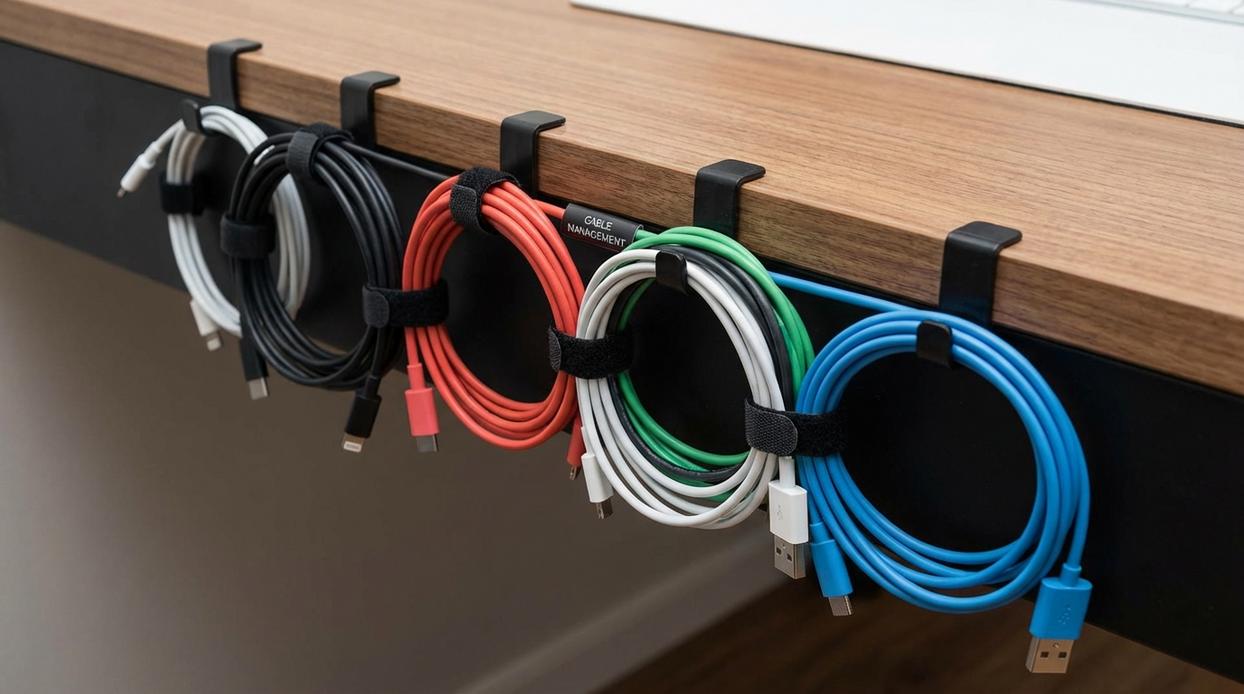
A clean setup doesn’t just look good—it feels good. The soft glide of your mouse, the quiet absence of cable drag, the visual calm of an uncluttered desk (it’s like walking into a freshly loaded game lobby with zero lag). Precision starts before the match ever begins.
The Right-Angle Rule
The Right-Angle Rule means running cables along the hard edges of your desk and monitor stand instead of letting them drape freely. Edges create natural shadows that visually erase cables. Follow the desk frame for vertical drops so cords hug the structure instead of slicing through open air. From eye level, they practically disappear.
Mounting Power Bricks
Power strips and bulky adapters are the usual culprits behind that tangled mess you can almost hear when you look at it. Mount them underneath your desk using heavy-duty double-sided tape or a dedicated cable tray. Press firmly for 30 seconds to ensure adhesion. Suddenly, the floor space feels open, airflow improves, and your feet stop bumping into plastic bricks mid-match (nothing kills immersion faster).
Peripheral Management
Route keyboard and mouse cables beneath your monitor stand to shorten visible runs. For your mouse, add a bungee—this small spring-loaded arm suspends the cable to eliminate drag. The difference is tactile: smoother flicks, cleaner tracking, no subtle resistance during clutch moments.
The “Service Loop” Hack
The “Service Loop” Hack is simple: coil a small amount of excess cable near the device and secure it with a Velcro tie. This reserved slack allows minor adjustments without dismantling everything. It’s one of those gaming cable management hacks that separates casual setups from tournament-ready stations.
Finally, don’t ignore internal cables. Inside your PC case, clean routing improves airflow, lowering temperatures and extending component lifespan. Lower heat means quieter fans, steadier performance, and hardware that ages gracefully. A flawless setup isn’t just seen—it’s felt, heard, and experienced.
Maintaining Your Perfected Battle Station
You came here for cable management tips, and now you’ve got a complete, actionable strategy—not just a handful of clips and hope. Cable clutter starts small: one extra USB here, a “temporary” charging cord there. Suddenly, your desk looks like it’s preparing for a boss fight against gravity. However, with smart planning, the right tools, and proven gaming cable management hacks, you’ve built a system that actually works.
Some gamers argue a messy setup is a “creative ecosystem.” Sure—and lag is just “unexpected difficulty.” In reality, clean cables reduce distractions, protect your gear, and make upgrades painless.
Now, here’s your lasting daily hack: the One-in, One-out rule. Whenever you add new gear, take five minutes to route and secure its cable properly. No procrastinating. No “I’ll fix it later.”
Ultimately, an organized setup supports an organized mind—and that clarity translates into sharper focus, faster reactions, and more wins. Clean desk. Clean plays.
Level Up Your Setup and Your Game
You came here to master cleaner setups, sharper mechanics, and smarter competitive habits—and now you have a practical roadmap to do exactly that. From optimizing core mechanics to refining multiplayer coordination and applying gaming cable management hacks, you’re no longer guessing. You’re building a setup and strategy that actually supports your performance.
Messy cables, inconsistent practice, and outdated tactics slow you down more than you think. They create distractions, cost you reaction time, and chip away at your competitive edge. When your environment and strategy are dialed in, your focus sharpens—and that’s where real improvement happens.
Now it’s time to take action. Start by implementing one upgrade today: reorganize your desk with proven gaming cable management hacks, refine one core mechanic in your main title, and apply a new esports strategy in your next session. Small adjustments compound into major gains.
If you’re serious about climbing ranks and dominating your matches, dive deeper into our expert breakdowns and daily gaming hacks trusted by competitive players. Don’t settle for average—level up your setup, sharpen your skills, and put these strategies to work in your next game.
 Deloresentia Villanueva writes the kind of core game mechanics and strategies content that people actually send to each other. Not because it's flashy or controversial, but because it's the sort of thing where you read it and immediately think of three people who need to see it. Deloresentia has a talent for identifying the questions that a lot of people have but haven't quite figured out how to articulate yet — and then answering them properly.
They covers a lot of ground: Core Game Mechanics and Strategies, Daily Gaming Setup Hacks, Expert Breakdowns, and plenty of adjacent territory that doesn't always get treated with the same seriousness. The consistency across all of it is a certain kind of respect for the reader. Deloresentia doesn't assume people are stupid, and they doesn't assume they know everything either. They writes for someone who is genuinely trying to figure something out — because that's usually who's actually reading. That assumption shapes everything from how they structures an explanation to how much background they includes before getting to the point.
Beyond the practical stuff, there's something in Deloresentia's writing that reflects a real investment in the subject — not performed enthusiasm, but the kind of sustained interest that produces insight over time. They has been paying attention to core game mechanics and strategies long enough that they notices things a more casual observer would miss. That depth shows up in the work in ways that are hard to fake.
Deloresentia Villanueva writes the kind of core game mechanics and strategies content that people actually send to each other. Not because it's flashy or controversial, but because it's the sort of thing where you read it and immediately think of three people who need to see it. Deloresentia has a talent for identifying the questions that a lot of people have but haven't quite figured out how to articulate yet — and then answering them properly.
They covers a lot of ground: Core Game Mechanics and Strategies, Daily Gaming Setup Hacks, Expert Breakdowns, and plenty of adjacent territory that doesn't always get treated with the same seriousness. The consistency across all of it is a certain kind of respect for the reader. Deloresentia doesn't assume people are stupid, and they doesn't assume they know everything either. They writes for someone who is genuinely trying to figure something out — because that's usually who's actually reading. That assumption shapes everything from how they structures an explanation to how much background they includes before getting to the point.
Beyond the practical stuff, there's something in Deloresentia's writing that reflects a real investment in the subject — not performed enthusiasm, but the kind of sustained interest that produces insight over time. They has been paying attention to core game mechanics and strategies long enough that they notices things a more casual observer would miss. That depth shows up in the work in ways that are hard to fake.