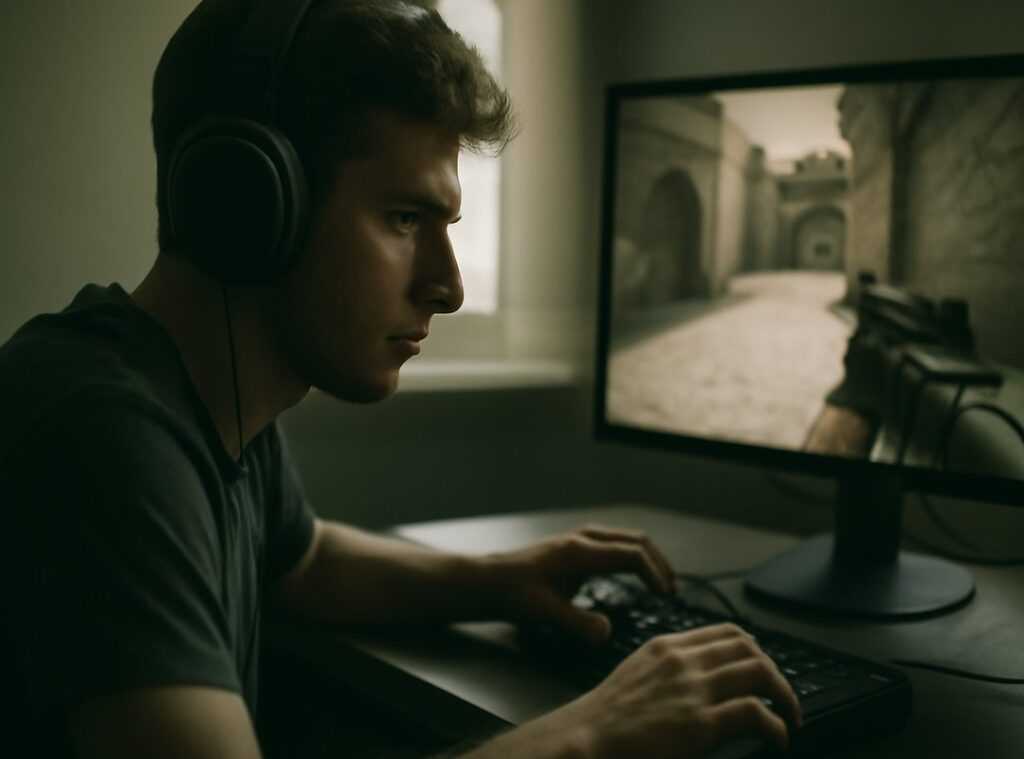
Competitive gaming is evolving fast—and staying ahead means mastering more than just aim and reaction time. If you’re searching for deeper insights into core game mechanics, multiplayer trends, Toike esports strategies, daily gaming hacks, and even gaming desk optimization, this guide is built to give you exactly that.
Many players struggle to translate raw playtime into real improvement. Meta shifts happen quickly, esports strategies evolve weekly, and small mechanical misunderstandings can hold you back without you realizing it. This article breaks down what actually matters: the systems behind the gameplay, the trends shaping multiplayer environments, and the practical adjustments that create measurable results.
Our insights are grounded in hands-on analysis of competitive matches, current esports patterns, and detailed gameplay breakdowns—not surface-level tips. You’ll find clear explanations, actionable tactics, and focused strategies designed to help you improve performance, adapt faster, and gain a consistent edge in today’s competitive gaming landscape.
Most gamers blame lag or bad teammates, but an uncomfortable, cluttered setup quietly sabotages focus, reaction time, and endurance. Your environment is part of your loadout.
This blueprint distills years of testing competitive and marathon configurations into practical moves anyone can apply. It goes beyond pricey peripherals, zeroing in on positioning, cable flow, lighting, and micro-adjustments most guides ignore.
Follow this step-by-step plan:
- Reset your layout around posture and reach.
- Zone tools by in-game priority.
- Lock in repeatable gaming desk optimization rituals.
Skeptics argue skill alone wins. True—but remove friction, and skill scales. Every millisecond matters.
The Foundation: Ergonomics for Peak Performance and Health
The Chair Is Your Cockpit
Additionally, for those who want to enhance their gaming experience even further, consider how the ergonomic design of your workspace can complement the functionality of your Tgagamestick controller for optimal gameplay – for more details, check out our Tgagamestick Controller How To Use.
Think of your chair as the cockpit of a fighter jet. A basic seat keeps you airborne; an ergonomic one keeps you combat-ready.
Adjustable lumbar support (lower-back support that can move up, down, or in and out) prevents spinal collapse during long sessions. Without it, your back rounds forward—hello, fatigue. With it, your spine maintains its natural S-curve (your future self will thank you).
Next, 4D armrests—which adjust in height, width, depth, and angle—reduce shoulder strain. Fixed armrests force your shoulders to shrug or flare outward. Adjustable ones let your elbows rest naturally under your wrists.
Finally, proper seat depth matters. Too deep, and the seat presses behind your knees; too shallow, and your thighs lack support. Aim for a two-finger gap between seat edge and knee crease.
Desk and Monitor Symbiosis
Now, let’s compare poor posture vs. optimized posture. Slouched setup: knees at 70°, elbows floating, neck craned forward. Optimized setup: the 90-90-90 rule—knees, hips, and elbows each at 90 degrees.
Set your monitor so the top bezel is at or just below eye level and about an arm’s length away. Too low? Neck strain. Too close? Eye fatigue (and fewer clutch plays).
This is where gaming desk optimization ties it together—chair height, desk clearance, and monitor alignment working as one system.
Wrist and Arm Health
Repetitive Strain Injury (RSI)—micro-damage from repeated motion—builds quietly.
Palm grip vs. claw grip vs. fingertip grip: Palm offers stability but less agility. Claw improves precision but increases finger tension. Fingertip maximizes speed yet strains extensors. Choose based on game genre and comfort.
Use wrist rests strategically: support your palm, not your wrist joint. And every hour, take a 60-second stretch break (pro tip: set a timer between matches).
Optimizing Your Arsenal: Peripherals and Display
Your monitor setup isn’t just aesthetic—it directly impacts reaction time, awareness, and comfort. Let’s break down the features that matter.
Display Configuration Deep Dive
A single ultrawide (34”–49”) offers seamless immersion. With a 21:9 aspect ratio, you gain wider peripheral vision in supported titles—huge for racing and RPGs (it’s the closest most of us get to a cockpit view). The downside? Limited flexibility for multitasking.
Dual monitors (24”–27”) excel for streamers and competitive players. Keep your primary at 144Hz–240Hz for gameplay, and a secondary at 60Hz–144Hz for Discord, OBS, or stat tracking. Position the second monitor:
- Slightly angled inward (10–20 degrees)
- Top bezel aligned with your primary
- Off-center to reduce neck strain
A high-refresh-rate primary monitor (240Hz+) reduces motion blur and input latency (NVIDIA confirms higher refresh rates improve target tracking clarity).
Creating the Perfect Aim Arena
Low-sensitivity aiming—measured in eDPI (effective dots per inch)—demands space. More mousepad area equals smoother tracking.
- TKL keyboards (87 keys): Remove the numpad for extra mouse room
- Full-size keyboards (104 keys): Offer utility but reduce lateral space
For serious Toike esports strategy, TKL often wins. It’s a small hardware shift with major mechanical benefits. Combine this with proper gaming desk optimization to prevent wrist tension.
Audio Immersion and Clarity
High-quality headsets enhance positional audio—the ability to detect direction and distance of sound cues.
- Open-back: Wider soundstage, better directional clarity (ideal for quiet rooms)
- Closed-back: Noise isolation for tournaments or shared spaces
Position your mic 2–3 inches from your mouth, slightly off-axis to avoid plosive bursts and keyboard noise. Clean layouts help too—consider these cable management hacks for a cleaner gaming setup to reduce desk interference.
Slaying the Cable Serpent: A Guide to a Clean Setup
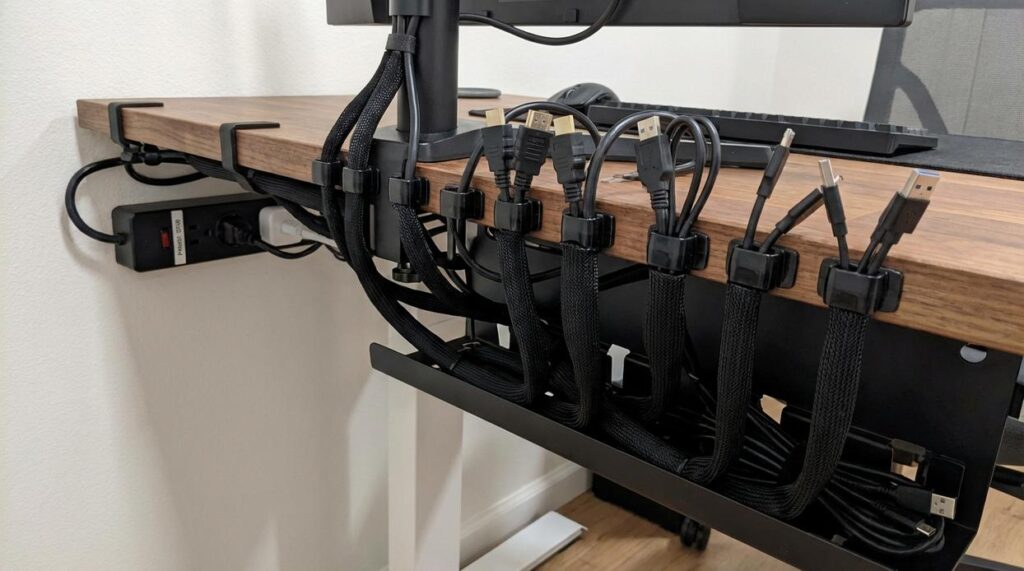
Back in 2020, when remote work setups exploded overnight, many of us learned the hard way that plugging things in “wherever they fit” leads to chaos. So first, try the Strip and Plan method: unplug everything. Yes, everything. This forces you to see your desk as a blank map rather than a tangled jungle (and it’s mildly terrifying for about 30 seconds). Once cleared, you can route each cable with intention instead of habit.
Next, build your essential toolkit. Velcro ties bundle cables together while staying reusable. Cable sleeves wrap multiple cords into a single “snake,” making them easier to hide. J-channel raceways mount under the desk to conceal hanging wires. Double-sided tape secures your power strip underneath, lifting it off the floor where dust—and disaster—collect.
Now, execute strategically. First, route display and power cables; they’re thicker and define the main paths. Then bundle peripheral cables separately to avoid signal interference. Finally, mount the power strip underneath and connect everything cleanly. Some argue wireless gear makes this unnecessary. However, even wireless setups need power. Effective gaming desk optimization still depends on disciplined cable control.
Setting the Mood: Lighting and Personalization
Smarter Lighting starts with bias lighting— a soft LED strip behind your monitor that reduces contrast and eye strain during marathon sessions (your retinas will thank you). Studies show ambient backlighting can decrease visual fatigue (American Optometric Association). Yet competitors rarely explain placement: mount it at eye-level center for even glow.
- Use RGB as accent, not spotlight.
- Smart bulbs adjust color temperature with circadian rhythm.
True gaming desk optimization blends light with identity: floating shelves, art-grade acoustic panels, minimalist lines. Make it unmistakably yours, not a showroom clone. Function drives form, always. Stay intentional.
Your Evolved Gaming Sanctuary
I used to end every ranked session rubbing my neck and blaming lag for my slow flicks. The truth was simpler: my monitor sagged, my wrists bent, and cables tangled around my focus. A setup rests on health-first ergonomics, optimized peripheral layout, and meticulous organization. That’s gaming desk optimization. Some argue gear alone wins matches, but comfort shapes consistency. When your chair supports you and your screen meets eye level, distractions fade. You stop fighting pain and start tracking enemies. Fix one flaw—monitor height or that cable mess—and you gain focus, comfort, and in-game reaction time.
Level Up Your Setup and Your Skill
You came here to master your setup and sharpen your competitive edge—and now you have the blueprint to do exactly that. From refining your mechanics to understanding multiplayer trends and applying smarter daily habits, you’re no longer guessing your way through improvement.
The real frustration isn’t lack of talent—it’s inconsistency, missed reactions, and a setup that quietly holds you back. Dialing in your gaming desk optimization and aligning it with smarter in-game strategies removes those hidden barriers. When your environment supports your focus and mechanics, your performance follows.
Now it’s time to act. Don’t settle for average sessions and avoidable mistakes. Start upgrading your setup, apply the strategies you’ve learned, and track your improvements match by match. Thousands of competitive players are already refining their edge with proven insights and performance-driven adjustments.
If you’re serious about climbing ranks, dominating scrims, and playing at your true potential, take the next step today—optimize your desk, refine your mechanics, and put these strategies into action. Your next level is waiting.
 Vynric Zephorin is the kind of writer who genuinely cannot publish something without checking it twice. Maybe three times. They came to multiplayer trends and meta shifts through years of hands-on work rather than theory, which means the things they writes about — Multiplayer Trends and Meta Shifts, Toike Esports Tactics and Team Plays, Daily Gaming Setup Hacks, among other areas — are things they has actually tested, questioned, and revised opinions on more than once.
That shows in the work. Vynric's pieces tend to go a level deeper than most. Not in a way that becomes unreadable, but in a way that makes you realize you'd been missing something important. They has a habit of finding the detail that everybody else glosses over and making it the center of the story — which sounds simple, but takes a rare combination of curiosity and patience to pull off consistently. The writing never feels rushed. It feels like someone who sat with the subject long enough to actually understand it.
Outside of specific topics, what Vynric cares about most is whether the reader walks away with something useful. Not impressed. Not entertained. Useful. That's a harder bar to clear than it sounds, and they clears it more often than not — which is why readers tend to remember Vynric's articles long after they've forgotten the headline.
Vynric Zephorin is the kind of writer who genuinely cannot publish something without checking it twice. Maybe three times. They came to multiplayer trends and meta shifts through years of hands-on work rather than theory, which means the things they writes about — Multiplayer Trends and Meta Shifts, Toike Esports Tactics and Team Plays, Daily Gaming Setup Hacks, among other areas — are things they has actually tested, questioned, and revised opinions on more than once.
That shows in the work. Vynric's pieces tend to go a level deeper than most. Not in a way that becomes unreadable, but in a way that makes you realize you'd been missing something important. They has a habit of finding the detail that everybody else glosses over and making it the center of the story — which sounds simple, but takes a rare combination of curiosity and patience to pull off consistently. The writing never feels rushed. It feels like someone who sat with the subject long enough to actually understand it.
Outside of specific topics, what Vynric cares about most is whether the reader walks away with something useful. Not impressed. Not entertained. Useful. That's a harder bar to clear than it sounds, and they clears it more often than not — which is why readers tend to remember Vynric's articles long after they've forgotten the headline.