
Ever feel like you’ve hit a wall in your favorite game despite putting in the hours? The truth is, improvement isn’t always about quicker reflexes—it’s about understanding the systems running beneath the surface. This core game mechanics guide breaks down the universal building blocks that power every video game, from indie platformers to AAA esports titles. Based on thousands of hours analyzing gameplay across major genres, it distills complex design into clear, actionable concepts. You’re here to learn how games really work—and this guide will give you the framework to deconstruct any title and elevate your performance immediately.
The Core Loop: What Keeps You Playing?
To effectively grasp the essentials of core game mechanics, it’s helpful to explore practical examples, such as the unique systems employed in the captivating Innerlifthunt Game.
Every great game has a heartbeat. You feel it in the click of a mouse, the rumble of a controller, the sharp ping of earned XP. That rhythm is the core loop—the repeating set of actions you perform again and again. Fight. Earn. Upgrade. Repeat. It’s the fundamental cycle that keeps your hands moving and your brain buzzing.
For example, in a looter-shooter like Destiny, the loop feels explosive and glittering: fight enemies → earn loot → upgrade gear → fight stronger enemies. The screen flashes with neon engrams, guns thud with recoil, and each drop promises power.
Meanwhile, in a MOBA like League of Legends, the loop is more methodical: farm minions or jungle camps → gain gold and XP → buy items and level up → push objectives. You hear the steady clink of gold and the announcer’s triumphant call as towers fall.
Then there’s the roguelike rhythm of Hades: attempt a run → die → spend permanent currency → attempt a stronger run. Failure stings, but the hub world glows warmly, inviting you back in (like respawning in a montage scene straight out of Edge of Tomorrow).
Some argue story or graphics matter more. However, without a satisfying loop, even cinematic games feel hollow.
Actionable Hack: Within your first 30 minutes, ask: What am I repeating? What reward feeds back into it? That’s the loop. Mastering it—timing, efficiency, decision-making—is the first step to solving the game’s strategy. For deeper analysis, study a solid core game mechanics guide and break the cycle into triggers, actions, and rewards.
Beyond the Health Bar: Mastering Resource Management
When most players think about resources, they picture HP (health points) or mana. But resources are anything limited that affects your decisions. That includes ammo, in-game currency, cooldowns (the waiting period before an ability can be used again), time on the clock, and even your attention span (yes, tunnel vision is a resource leak).
Why does this matter? Because understanding resources gives you control. And control wins games.
The Principle of Scarcity
Games create tension by limiting what you can use. If abilities had no cooldowns and gold was infinite, choices wouldn’t matter. A decision is only interesting if it has a cost. Spend gold on gear now, or save for a power spike later? Burn your ultimate, or hold it for a bigger fight? Scarcity forces strategy.
Mastering this principle sharpens your instincts across genres—whether you’re studying a core game mechanics guide or grinding ranked.
Esports Strategy Breakdown
- Cooldown Trading: In MOBAs or fighting games, baiting an opponent into wasting a key ability creates a vulnerability window. Once it’s down, you strike. (It’s basically chess with explosions.)
- Economy Management: In strategy titles, investing in long-term economy instead of short-term military can snowball into overwhelming advantage—if you survive the early game.
Daily Gaming Hack
Ask yourself: What is the most valuable resource in this situation? Sometimes it’s time. Sometimes positioning. Identify it, protect it, and pressure your opponent’s.
The benefit? Smarter decisions, fewer panic plays, and a measurable edge every match.
Calculated Aggression: The Art of Risk vs. Reward
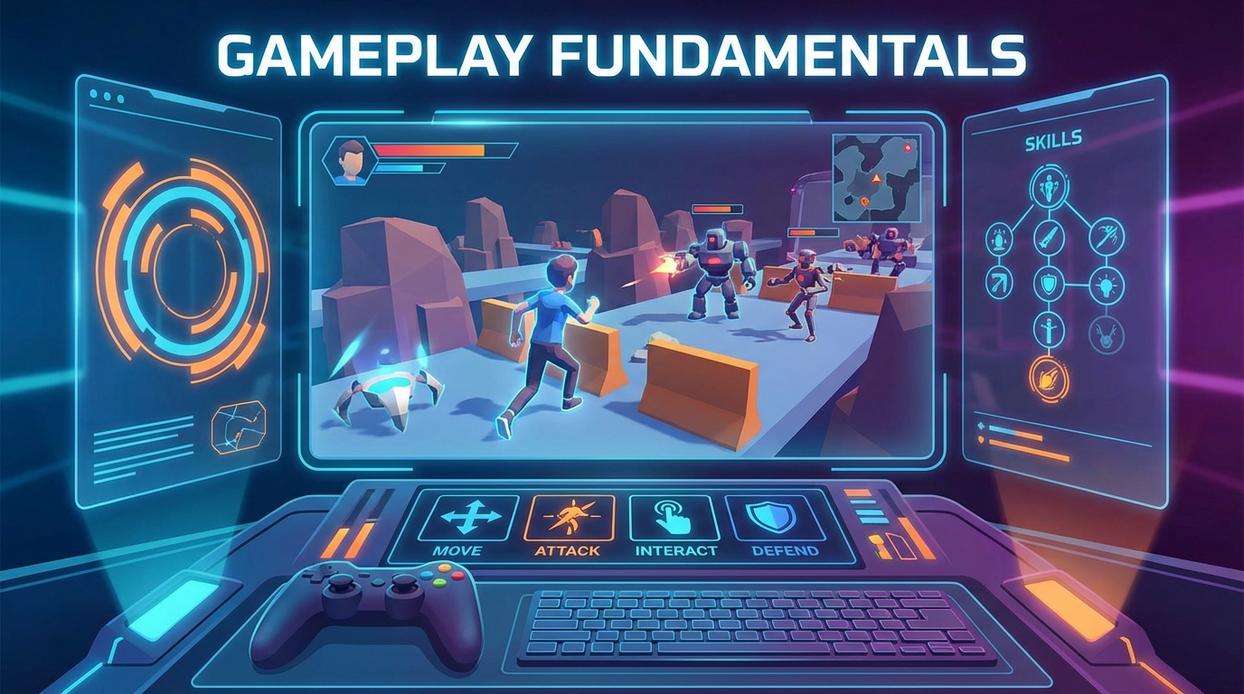
At its core, risk vs. reward is a design principle where developers attach a higher potential payoff to a greater chance of failure or loss. In other words, the bigger the upside, the steeper the downside. This tradeoff fuels tension, strategy, and those “did you see that?” highlight moments.
Consider how this plays out across genres:
- FPS: Flanking the enemy team for a multi-kill (high reward) versus holding a safe angle (low risk). One bold move can win the round—or hand it away.
- RPG: Picking a risky dialogue option that might unlock a rare item, but could also trigger a brutal boss fight.
- Platformer: Attempting a tight shortcut to shave seconds off your time, knowing a single mistimed jump sends you back to the checkpoint (painful, but thrilling).
Some argue that “safe play wins games.” And yes, consistency matters. However, players who never take calculated risks often cap their ceiling. The real benefit? Mastering this balance increases win rates, adaptability, and clutch potential.
This is where game sense comes in—the ability to quickly evaluate outcomes in real time. To build it:
- Pause briefly and verbalize possible outcomes before acting.
- Weigh worst-case vs. best-case scenarios.
- Review replays to spot overly risky or overly passive habits.
Over time, these micro-calculations become instinctive. That’s why studying a solid core game mechanics guide and exploring concepts like advanced resource management strategies in competitive games sharpens decision-making. Ultimately, calculated aggression doesn’t just make you flashier—it makes you smarter under pressure.
Level Up: How Progression Systems Shape Your Journey
Progression systems are the backbone of modern games. First, there’s XP and leveling, where earning experience points unlocks higher stats or abilities—think hitting level 50 in an MMO and finally equipping elite gear. Then come skill trees, branching upgrade paths that let you specialize (stealth assassin or heavy tank—your call). Finally, gear and loot tiers rank equipment by rarity and power, often color-coded for clarity.
Together, these systems create measurable growth, clear goals, and meaningful customization. In other words, they turn playtime into progress. A solid core game mechanics guide will show how these layers keep players invested.
However, in multiplayer and live-service titles, power creep—when new content outperforms older options—can shift the meta. Some argue it keeps games fresh. Yet unchecked, it sidelines skill in favor of the latest unlocks.
From Player to Strategist
You came here to understand what’s really happening beneath the surface of your favorite games—and now you have the blueprint. You can see beyond flashy visuals and recognize the systems driving every win or loss. That frustration of feeling stuck or constantly outplayed? It usually comes from missing the underlying mechanics at work.
Now you know better. By identifying core loops, managing resources, and evaluating risk in real time, you shift from reacting to strategically solving the game.
Take action: Open your main title today and apply this core game mechanics guide for ten focused minutes. Spot the patterns. Exploit the systems. Start playing smarter now.
 Vynric Zephorin is the kind of writer who genuinely cannot publish something without checking it twice. Maybe three times. They came to multiplayer trends and meta shifts through years of hands-on work rather than theory, which means the things they writes about — Multiplayer Trends and Meta Shifts, Toike Esports Tactics and Team Plays, Daily Gaming Setup Hacks, among other areas — are things they has actually tested, questioned, and revised opinions on more than once.
That shows in the work. Vynric's pieces tend to go a level deeper than most. Not in a way that becomes unreadable, but in a way that makes you realize you'd been missing something important. They has a habit of finding the detail that everybody else glosses over and making it the center of the story — which sounds simple, but takes a rare combination of curiosity and patience to pull off consistently. The writing never feels rushed. It feels like someone who sat with the subject long enough to actually understand it.
Outside of specific topics, what Vynric cares about most is whether the reader walks away with something useful. Not impressed. Not entertained. Useful. That's a harder bar to clear than it sounds, and they clears it more often than not — which is why readers tend to remember Vynric's articles long after they've forgotten the headline.
Vynric Zephorin is the kind of writer who genuinely cannot publish something without checking it twice. Maybe three times. They came to multiplayer trends and meta shifts through years of hands-on work rather than theory, which means the things they writes about — Multiplayer Trends and Meta Shifts, Toike Esports Tactics and Team Plays, Daily Gaming Setup Hacks, among other areas — are things they has actually tested, questioned, and revised opinions on more than once.
That shows in the work. Vynric's pieces tend to go a level deeper than most. Not in a way that becomes unreadable, but in a way that makes you realize you'd been missing something important. They has a habit of finding the detail that everybody else glosses over and making it the center of the story — which sounds simple, but takes a rare combination of curiosity and patience to pull off consistently. The writing never feels rushed. It feels like someone who sat with the subject long enough to actually understand it.
Outside of specific topics, what Vynric cares about most is whether the reader walks away with something useful. Not impressed. Not entertained. Useful. That's a harder bar to clear than it sounds, and they clears it more often than not — which is why readers tend to remember Vynric's articles long after they've forgotten the headline.