

You finish a game, and it’s either “good” or “bad,” right? But why? I know the struggle of trying to put that gut feeling into words.
It’s like there’s a missing piece in the discussion. this article comes in. We dive into the game design analysis you’ve been craving.
I’ve spent years dissecting core game mechanics and multiplayer metas, aiming to understand what elevates a game’s design from mediocre to extraordinary. It’s not just about what you feel; it’s about why you feel it.
By the end, you’ll have a toolkit to intelligently critique and appreciate game design. No more vague discussions. Sound like what you need?
Stick around. You’ll learn to articulate the art of game design like never before.
Beyond ‘Fun’: Crafting the Perfect Game
When we talk about game design analysis, it’s not just slapping a score on a game and calling it a day. It’s a deep dive into understanding how different elements come together. It’s about seeing the game as a living, breathing entity that evolves with every click and choice.
I mean, does a score really capture what makes a game tick? Hardly.
I’ve boiled it down to three important pillars: The Core Gameplay Loop, The Player Journey, and Systemic Depth. These aren’t just fancy terms. They’re the backbone of any game worth its salt.
Let’s break it down. The Core Loop is the heartbeat of the game. It’s the moment-to-moment action that keeps players engaged.
Think of it as the single sentence that holds your attention. But a game isn’t just about those moments. It’s also about The Player Journey, the full story arc that keeps you coming back.
It’s the long-term progression that hooks you.
And then, there’s Systemic Depth. This is where the magic happens. It’s how the game’s rules interact to create unexpected and interesting outcomes.
Picture it as the grammar that ties the story together. Without it, you just have chaos.
This system isn’t just a tool. It’s a mindset. It helps organize thoughts and provides a consistent method for comparing different games.
It’s like having a roadmap. If you’re interested in how this connects with real players, check out decoding player feedback experts. It’s about seeing beyond the surface and really getting into the guts of what makes a game great.
Mastering the Core: Analyzing Gameplay Loops
When we talk about the core gameplay loop, we’re diving into the heartbeat of a game. It’s the repetitive set of actions. Like shooting in “DOOM Eternal” or dodging in “Dark Souls”.
That keeps players hooked. But how do you break this down in a game design analysis? Let’s get into it.
First, consider actions and feedback. What exactly can a player do? Are the controls tight and responsive?
If the game feels clunky, players won’t stick around. I remember playing a game where every jump felt like moving through molasses. Frustrating!
The game should also have satisfying audio and visual feedback (that “juiciness” everyone talks about). You know, like the satisfying crunch of a headshot in a shooter.
Now, let’s talk about challenge and mastery. You ever picked up a game that seemed easy but then punched you in the face with its difficulty? That’s what makes a game engaging.
It has to be easy to learn but hard to master. Think about “Dark Souls.” It requires skill and plan, not just mindless repetition. And is the difficulty fair?
If a game feels like it’s cheating, that’s a quick way to lose players.
Finally, clarity and intent are key. Players should always know what they’re supposed to be doing. If they’re lost, the game’s loop isn’t doing its job.
Each loop should directly support the game’s goal. Remember that time you wandered aimlessly in a game, not knowing the next step? Exactly.
Bad design.
In the end, dissecting the core gameplay loop is an art. It’s about finding that sweet spot where everything just clicks. When done right, players won’t want to put the controller down.
That’s the magic of a well-crafted game.
Mapping Player Journeys: The Art of Engagement
In game design analysis, keeping players hooked isn’t about flashy graphics or epic bosses. It’s about crafting a journey that feels like an adventure. I mean, does anyone want to be dragged through the mud on their first day?
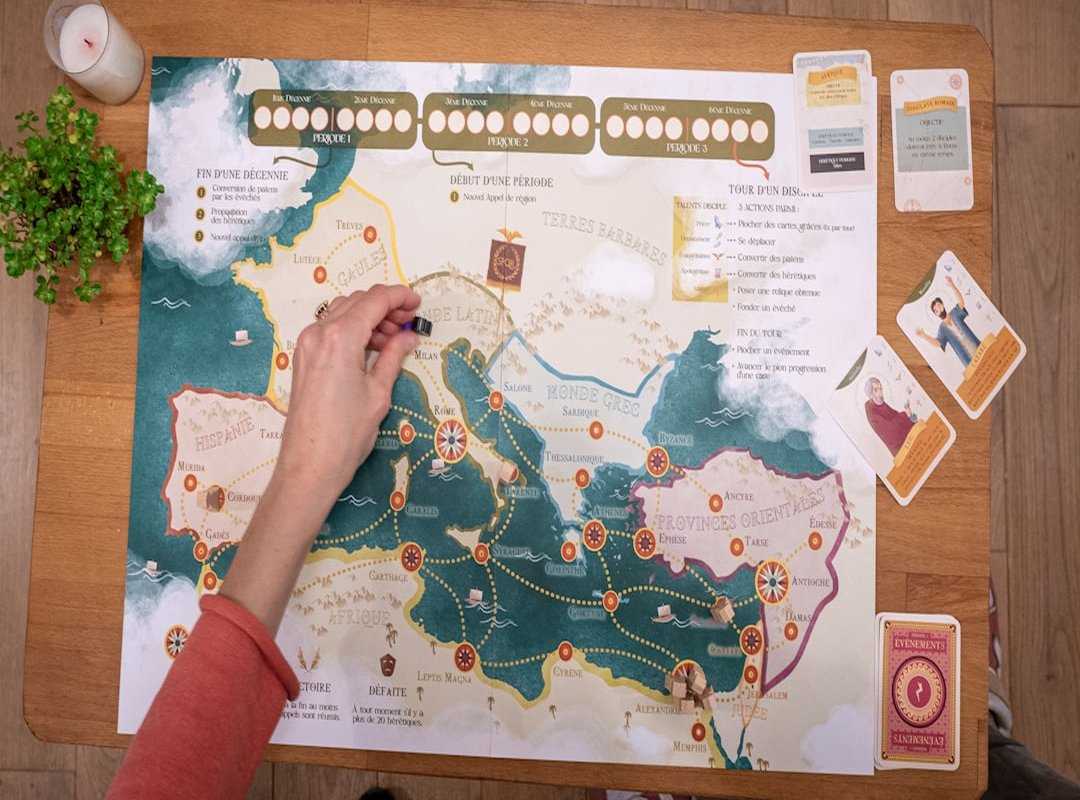
Pacing and onboarding make sure players don’t feel overwhelmed when they’re introduced to new mechanics. You know how some games just dump everything on you at once? Frustrating, right?
Next, let’s talk about the juicy stuff: reward and motivation systems. Look, if your progression systems. Like XP, skill trees, loot.
Feel like busywork, you’re doing it wrong. Are the rewards actually meaningful? Do they push you to try different playstyles, or are they just a grind?
A game that sticks the landing here keeps players from hitting that dreaded wall of boredom. Games with good progression feel like a conversation between you and the designers. They nod when you succeed and push you when you falter.
And what’s a great journey without a compelling story? Narrative integration is key. Ever feel like your actions in a game have no impact on the story?
That’s a missed opportunity. The best games make your choices matter, making you feel like part of the tale. It’s not just about telling a story; it’s about living it.
Take “Hades” for example. It’s a masterclass, intertwining its narrative with progression elegantly. Each run feels fresh, like peeling an onion with layers of story and gameplay.
The loop isn’t just about beating levels; it’s about uncovering these multilayered interactions that simply work. Want to dive deeper into what hooks players on a psychological level? Check out psychology game addiction expert views.
In short, player journey and progression are about crafting experiences that connect on multiple levels. From pacing to rewards, everything matters. That’s what keeps us coming back for more, not just for the minutes, but for the hours.
Pillar 3: Systemic Depth – The Final Frontier
Game design analysis isn’t complete without diving into systemic depth and replayability. It’s where the magic happens. Ever wonder why some games keep pulling you back in?
It’s all about how the game’s rules and systems mesh together to create something unexpected.
Emergent gameplay is the term you need to know. It’s when simple systems collide to create surprising outcomes. Think about The Legend of Zelda: Breath of the Wild. Its physics and chemistry engines let you solve problems in ways the designers didn’t even plan for. That’s emergent gameplay at its finest.
Let’s talk about interlocking systems. How do different mechanics play off each other? For example, how does a weather system impact stealth mechanics?
These are the questions you should ask.
Now, consider player agency. How much freedom do you really have? Can you solve problems your way, or are you stuck on a single path?
Multiple strategies mean more fun.
And don’t forget replayability. Why do you go back to a game? Is there a shifting “meta” that keeps things fresh?
Or maybe new discoveries waiting to be made? These are the pillars that build a game’s lasting appeal.
Level Up Your Game Evaluation Skills
Ever struggled to explain why a game feels off? You’re not alone. Many of us find it hard to put our finger on game design flaws.
But the three-pillar system changes everything. With game design analysis rooted in Core Loop, Player Journey, and Systemic Depth, you can critique like a pro. Next time you play, focus on just one pillar.
It’ll transform your perspective. Ready to see games in a whole new light? Dive in now.
 Deloresentia Villanueva writes the kind of core game mechanics and strategies content that people actually send to each other. Not because it's flashy or controversial, but because it's the sort of thing where you read it and immediately think of three people who need to see it. Deloresentia has a talent for identifying the questions that a lot of people have but haven't quite figured out how to articulate yet — and then answering them properly.
They covers a lot of ground: Core Game Mechanics and Strategies, Daily Gaming Setup Hacks, Expert Breakdowns, and plenty of adjacent territory that doesn't always get treated with the same seriousness. The consistency across all of it is a certain kind of respect for the reader. Deloresentia doesn't assume people are stupid, and they doesn't assume they know everything either. They writes for someone who is genuinely trying to figure something out — because that's usually who's actually reading. That assumption shapes everything from how they structures an explanation to how much background they includes before getting to the point.
Beyond the practical stuff, there's something in Deloresentia's writing that reflects a real investment in the subject — not performed enthusiasm, but the kind of sustained interest that produces insight over time. They has been paying attention to core game mechanics and strategies long enough that they notices things a more casual observer would miss. That depth shows up in the work in ways that are hard to fake.
Deloresentia Villanueva writes the kind of core game mechanics and strategies content that people actually send to each other. Not because it's flashy or controversial, but because it's the sort of thing where you read it and immediately think of three people who need to see it. Deloresentia has a talent for identifying the questions that a lot of people have but haven't quite figured out how to articulate yet — and then answering them properly.
They covers a lot of ground: Core Game Mechanics and Strategies, Daily Gaming Setup Hacks, Expert Breakdowns, and plenty of adjacent territory that doesn't always get treated with the same seriousness. The consistency across all of it is a certain kind of respect for the reader. Deloresentia doesn't assume people are stupid, and they doesn't assume they know everything either. They writes for someone who is genuinely trying to figure something out — because that's usually who's actually reading. That assumption shapes everything from how they structures an explanation to how much background they includes before getting to the point.
Beyond the practical stuff, there's something in Deloresentia's writing that reflects a real investment in the subject — not performed enthusiasm, but the kind of sustained interest that produces insight over time. They has been paying attention to core game mechanics and strategies long enough that they notices things a more casual observer would miss. That depth shows up in the work in ways that are hard to fake.