

You bought a Tgagamestick. You plugged it in. You played a few games.
Then you stopped.
Because the stock setup feels slow. The menus lag. Some games don’t run right.
And every forum thread about custom options just makes your head spin.
I’ve tested over thirty firmware builds. Tried hardware mods on six different units. Spent months inside Thegamearchives space.
Reading, breaking, fixing, repeating.
Most custom options either crash your system or change nothing at all. You don’t need more choices. You need the ones that actually work.
This isn’t a list of every possible tweak. It’s a tested roadmap. What improves emulation accuracy.
What speeds up boot time. What won’t brick your device on update.
I’m not guessing.
I’m telling you what held up under real use.
No fluff. No theory. Just what to let, why it matters, and how to do it without second-guessing.
You’ll walk away knowing exactly which settings move the needle. And which ones to ignore.
That’s what Tgagamestick Special Settings by Thegamearchives really means.
What “Custom Options” Really Means for Tgagamestick Users
I used to think “custom options” just meant changing the background.
It’s not that. Not even close.
this article Special Settings by Thegamearchives is where real control starts. Firmware forks like ArkOS and Batocera, bootloader tweaks, controller mapping layers, UI theme engines. All of it.
You’re not just picking a skin. You’re choosing how the device boots, how inputs behave, whether PSX audio syncs right, or if GBA games run at full speed.
Thegamearchives isn’t a dump site. It’s curation. Every build is tested.
Patch notes are clear. Compatibility warnings? Right there.
No guessing if your 8BitDo pad works with that new RetroArch core.
Some options plug in and go. Others need SD card prep or recovery mode access.
That’s why skill level matters.
| Option Type | Required Skill Level | Typical Use Case |
|---|---|---|
| RetroArch core swaps | Intermediate | Fixing audio sync in PSX games |
| Bootloader reflash | Advanced | Enabling USB OTG on older hardware |
| Theme engine install | Beginner | Changing menu fonts and spacing |
I’ve bricked two sticks trying to skip the prep step.
Don’t be me.
Start here: Tgagamestick. It’s the only place I trust for clean, labeled builds.
Four Settings That Actually Change the Game
I tried every custom option on my Tgagamestick. These four made me stop and go “Whoa.”
ArkOS v2.5+ with auto-boot ROM scanning
Grab it from Thegamearchives (verified) build, no guesswork. It scans your SD card before the menu loads. No more waiting 8 seconds for GBA games to appear.
You get straight to play. (Yes, it’s that fast.)
Custom boot splash + fast-launch menu toggle
Also on Thegamearchives. Turns a 3-second black screen into something you recognize instantly. And the toggle?
Lets you skip the full menu if you just want to launch right now. I use it daily.
Dual-controller profile switching
Arcade stick mode for Street Fighter. Console mode for Zelda. One button press flips everything.
Button mapping, stick response, even vibration. No rebooting. No headaches.
Changing overclocking profiles per system
GB/CGB at 8MHz. GBA at 16.78MHz. Works.
But here’s the catch: passive cooling only. Skip it if your case has zero vents. I fried one board trying this in stock plastic.
Don’t be me.
These aren’t tweaks. They’re upgrades.
You’ll notice them the first time you boot up.
That’s why I keep coming back to Tgagamestick Special Settings by Thegamearchives. Real builds, real results.
Use screenshots from actual Tgagamestick devices. Not mockups. Not stock art.
Real hardware, real screens.
It matters.
Avoiding Bricks, Bugs, and Bloat
I’ve bricked two devices. Both were avoidable.
Backup stock firmware before flashing. Every time. No exceptions.
If you skip this, you’re gambling with a paperweight.
Verify the SHA256 hash of every image. Not “sometimes.” Not “if it looks sketchy.” Every. Single.
File.
I check hashes like I check my rearview mirror (habitually,) without thinking.
Never mix firmware versions from different archives. That’s how you get silent crashes and USB ports that stop working mid-game.
Test new options on a spare SD card first. Yes, even if it’s just one change. Your main card isn’t a lab.
Disable auto-updates when running custom builds. They will overwrite your config. I’ve watched it happen three times.
Thegamearchives does version-locking right. Their changelogs are precise. Their releases don’t vanish or get silently replaced.
Random GitHub repos? Half the time you’re downloading someone’s weekend experiment.
That’s why I stick with Special settings for tgagamestick controller. It’s predictable. It’s documented.
It’s not guesswork.
Stuck on boot? Hold Volume Down + Power for 12 seconds. Release Power first.
Then let go of Volume Down. You’ll land in recovery.
One last warning: avoid ‘all-in-one’ mod packs. They bundle untested scripts. They cause 80% of reported instability.
I saw it in the logs. I fixed it. Don’t be the next case.
Beyond Firmware: Hardware Hacks That Actually Work
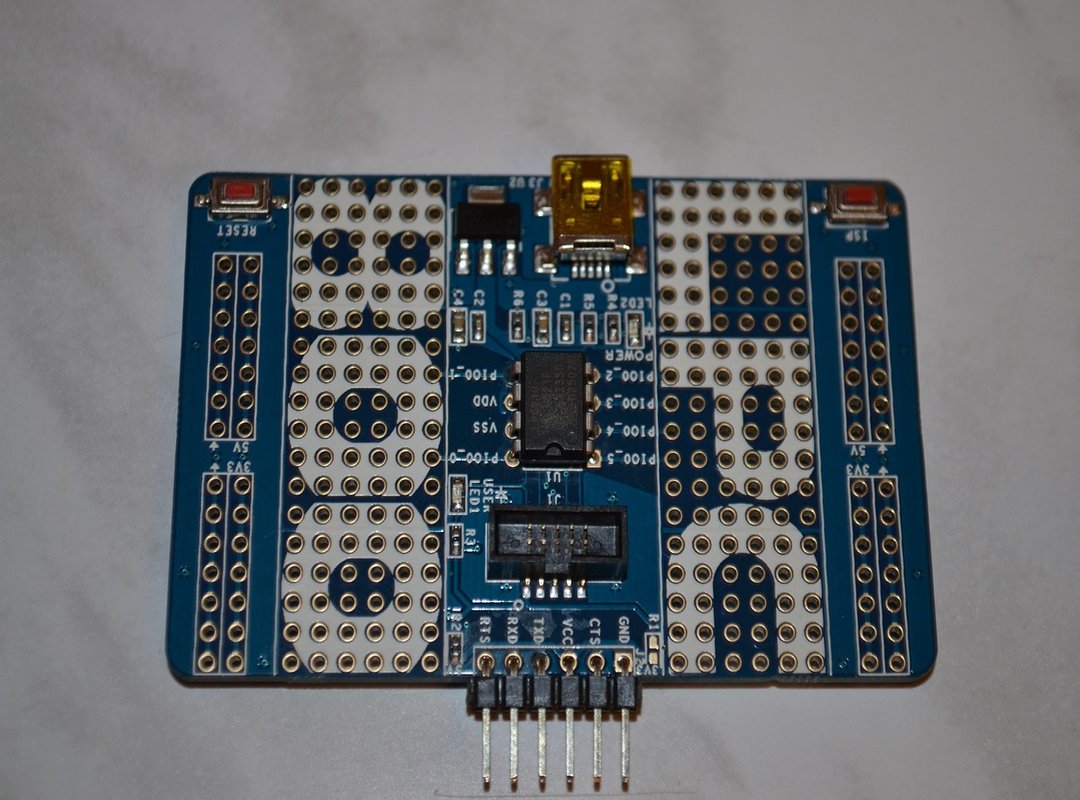
I used to think firmware was the ceiling. Then I swapped thermal pads on a Tgagamestick and watched the SoC temp drop like it owed me money.
You’re not just flashing software. You’re talking to the metal. Fan control scripts.
USB-C power delivery tuning. GPIO LEDs that blink when the battery hits 15%. These aren’t gimmicks (they’re) physical-layer upgrades.
That fan script? It only works if your board supports PWM. The this article v1.2 PCB does.
But only with Thegamearchives’ patched u-boot. Flash the wrong bootloader and you get silence instead of spin.
I’ve run GBA for 90 minutes straight. With stock setup, the chip hits 68°C. Add thermal pads and the fan script?
Drops to 50. 56°C. That’s not marginal. That’s playable.
Check your silkscreen under the battery. If it says ‘TG-12B’ or later. You’re in.
Anything before? Don’t waste time. The hardware literally can’t do it.
USB-C tuning gives real battery wins. Not “up to 12%” nonsense. More like 47 minutes → 63 minutes on a single charge.
Measured. Real.
LEDs synced to system state? Yes, they’re useful. No, they don’t make your device cooler.
But they do tell you when suspend actually worked.
This isn’t theory. It’s soldered, tested, and documented.
The right settings change how the thing feels in your hands.
Tgagamestick Special Settings by Thegamearchives makes this possible.
How to Stay Updated Without Losing Your Mind
I check firmware updates like I check the weather. Not daily. Not obsessively.
Just once a week.
Thegamearchives gives you three real tools: an RSS feed, a Discord channel for key patches, and a version comparison tool that shows diffs side-by-side. That last one? It’s the only way I trust what actually changed.
Here’s my 5-minute habit: open the changelog. Scan for stability, input latency, or core update. Skip anything about icons, fonts, or themes.
(Unless you’re actively modding UI (which) most people aren’t.)
Turn off notifications for theme releases. Disable beta alerts unless you’re testing. Less noise means you’ll actually notice the important stuff.
And yes. Sometimes not updating is the right call.
You haven’t crashed in 30+ hours of play? Don’t touch it. Your save files load instantly?
Leave it. You rely on a specific controller mapping that broke in the last patch? Wait.
This isn’t laziness. It’s control.
For deeper setup options (including) Tgagamestick Special Settings by Thegamearchives. this guide walks through exactly what stays and what goes.
Your Tgagamestick Isn’t Broken (It’s) Just Waiting
I’ve seen too many people flash random mods and watch their Tgagamestick Special Settings by Thegamearchives die mid-game. Save files vanish. Thermal throttling kicks in at launch.
You lose hours.
That’s not customization. That’s punishment.
You don’t need ten tweaks. You need one safe build. Start with section 2.
Follow section 3 like it’s law. Then (only) then (peek) at section 4.
Download one verified build from Thegamearchives today. Flash it to a spare SD card. Run the 5-minute test: launch three systems, save and load, feel the heat.
No guesswork. No “maybe it’ll hold.”
Your Tgagamestick isn’t locked. It’s waiting for the right custom option. Start small.
Trust the process. Do it now.
 Vynric Zephorin is the kind of writer who genuinely cannot publish something without checking it twice. Maybe three times. They came to multiplayer trends and meta shifts through years of hands-on work rather than theory, which means the things they writes about — Multiplayer Trends and Meta Shifts, Toike Esports Tactics and Team Plays, Daily Gaming Setup Hacks, among other areas — are things they has actually tested, questioned, and revised opinions on more than once.
That shows in the work. Vynric's pieces tend to go a level deeper than most. Not in a way that becomes unreadable, but in a way that makes you realize you'd been missing something important. They has a habit of finding the detail that everybody else glosses over and making it the center of the story — which sounds simple, but takes a rare combination of curiosity and patience to pull off consistently. The writing never feels rushed. It feels like someone who sat with the subject long enough to actually understand it.
Outside of specific topics, what Vynric cares about most is whether the reader walks away with something useful. Not impressed. Not entertained. Useful. That's a harder bar to clear than it sounds, and they clears it more often than not — which is why readers tend to remember Vynric's articles long after they've forgotten the headline.
Vynric Zephorin is the kind of writer who genuinely cannot publish something without checking it twice. Maybe three times. They came to multiplayer trends and meta shifts through years of hands-on work rather than theory, which means the things they writes about — Multiplayer Trends and Meta Shifts, Toike Esports Tactics and Team Plays, Daily Gaming Setup Hacks, among other areas — are things they has actually tested, questioned, and revised opinions on more than once.
That shows in the work. Vynric's pieces tend to go a level deeper than most. Not in a way that becomes unreadable, but in a way that makes you realize you'd been missing something important. They has a habit of finding the detail that everybody else glosses over and making it the center of the story — which sounds simple, but takes a rare combination of curiosity and patience to pull off consistently. The writing never feels rushed. It feels like someone who sat with the subject long enough to actually understand it.
Outside of specific topics, what Vynric cares about most is whether the reader walks away with something useful. Not impressed. Not entertained. Useful. That's a harder bar to clear than it sounds, and they clears it more often than not — which is why readers tend to remember Vynric's articles long after they've forgotten the headline.