
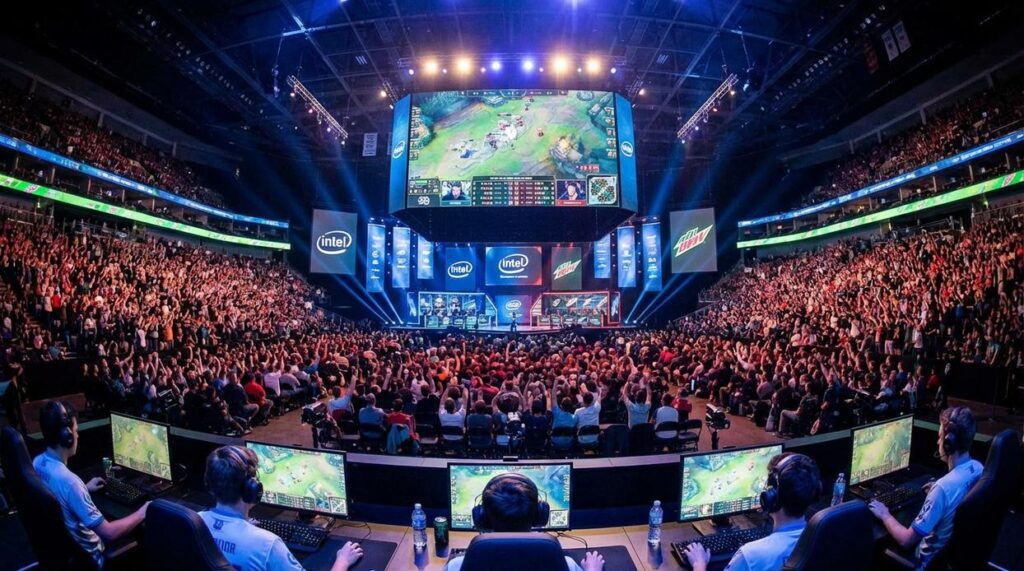
The gaming world is evolving faster than ever, and staying ahead of gaming industry trends 2026 is no longer optional for competitive players and esports enthusiasts. With rapid shifts in core game mechanics, multiplayer ecosystems, monetization models, and competitive Toike strategies, it’s easy to feel overwhelmed by constant updates and emerging innovations.
This article is built for players who want clarity—not hype. We break down the most important developments shaping competitive play, multiplayer engagement, and daily performance optimization, so you can adapt your strategy with confidence. From evolving meta mechanics to the rise of smarter matchmaking systems and new esports dynamics, you’ll get a focused look at what actually impacts your gameplay.
Our insights are grounded in deep analysis of live game data, competitive trends, and hands-on testing of in-game systems. If you’re looking for practical takeaways, sharper strategies, and a clear understanding of where the industry is heading, you’re in the right place.
AI-Powered Worlds: The Rise of Truly Dynamic Gameplay
Procedural Content Generation (PCG) 2.0
As we look forward to the top gaming industry trends shaping 2026, it’s essential to consider the impact of emerging technologies discussed in our previous article, “Trend Pblinuxtech,” which highlights innovations that are redefining player experiences and engagement.
Old-school procedural content generation (PCG)—the automated creation of maps or levels using algorithms—gave us bigger worlds. Think No Man’s Sky: vast, impressive, but often emotionally flat. PCG 2.0 flips that script. Instead of just generating terrain, AI now builds evolving storylines in real time based on player decisions. Save a village? That region prospers. Ignore it? It falls—and future quests reflect that loss.
Static campaign vs. adaptive narrative. One resets every playthrough; the other REMEMBERS. Some critics argue handcrafted stories are tighter and more cinematic (and yes, nothing beats a perfectly timed plot twist). But adaptive systems create ownership. Your choices don’t just unlock endings—they reshape the world.
NPCs with Memory
Scripted NPCs repeat dialogue trees. AI-driven NPCs track interactions, emotional states, and alliances. Help a merchant early on, and prices drop later. Betray a faction, and rumors spread organically.
- NPCs evolve relationships dynamically instead of looping preset lines.
Skeptics worry about unpredictability breaking immersion. Yet memory-based systems mirror real social dynamics (just like real life—awkward grudges included).
Mechanics in Flux
Traditional difficulty modes: Easy, Normal, Hard. AI-driven balancing: fluid adjustment. By analyzing player timing, accuracy, and strategy, AI tweaks enemy tactics and environmental hazards to maintain “flow state” (a term coined by psychologist Mihaly Csikszentmihalyi for optimal engagement).
Fixed challenge vs. responsive challenge. One risks boredom or frustration; the other adapts invisibly. As gaming industry trends 2026 emphasize personalization, smart systems ensure challenge feels earned—not unfair.
The New Social Hub: Multiplayer Gaming as a Platform
The idea that multiplayer is “just a mode” already feels dated. By 2026, seamless cross-play and cross-progression—meaning your progress, purchases, and friends list travel with you across PC, console, and mobile—won’t be a bullet point on the back of the box. It will be the expectation. Some critics argue technical barriers and platform rivalries will always prevent true unity. Yet recent publisher collaborations and shared account ecosystems suggest otherwise (Epic Games v. Apple filings, 2023). The walls are cracking—and major titles are incentivized to finish the job.
Beyond the Game: Digital Third Places
Meanwhile, multiplayer worlds are evolving into “third places”—a sociological term for social spaces outside home and work. Think virtual concerts in Fortnite or in-game film screenings in Roblox (Newzoo, 2024). Skeptics say these are marketing stunts. However, attendance numbers rival real-world arenas, and engagement time spikes during live events. That’s not fluff—that’s infrastructure. This is where gaming industry trends 2026 quietly point: persistent worlds as programmable social venues.
Then there’s Guilds and Clans 3.0. Instead of basic chat groups, expect advanced dashboards, shared skill trees, treasury systems, and even guild-owned digital assets. Critics warn this overcomplicates matchmaking. But deeper investment drives retention (Deloitte Digital Media Trends, 2024). If you control territory or co-own a crafted airship, you log back in.
For a deeper tactical breakdown, see our multiplayer strategy guide.
Esports Matures: From Niche Hobby to Mainstream Spectacle
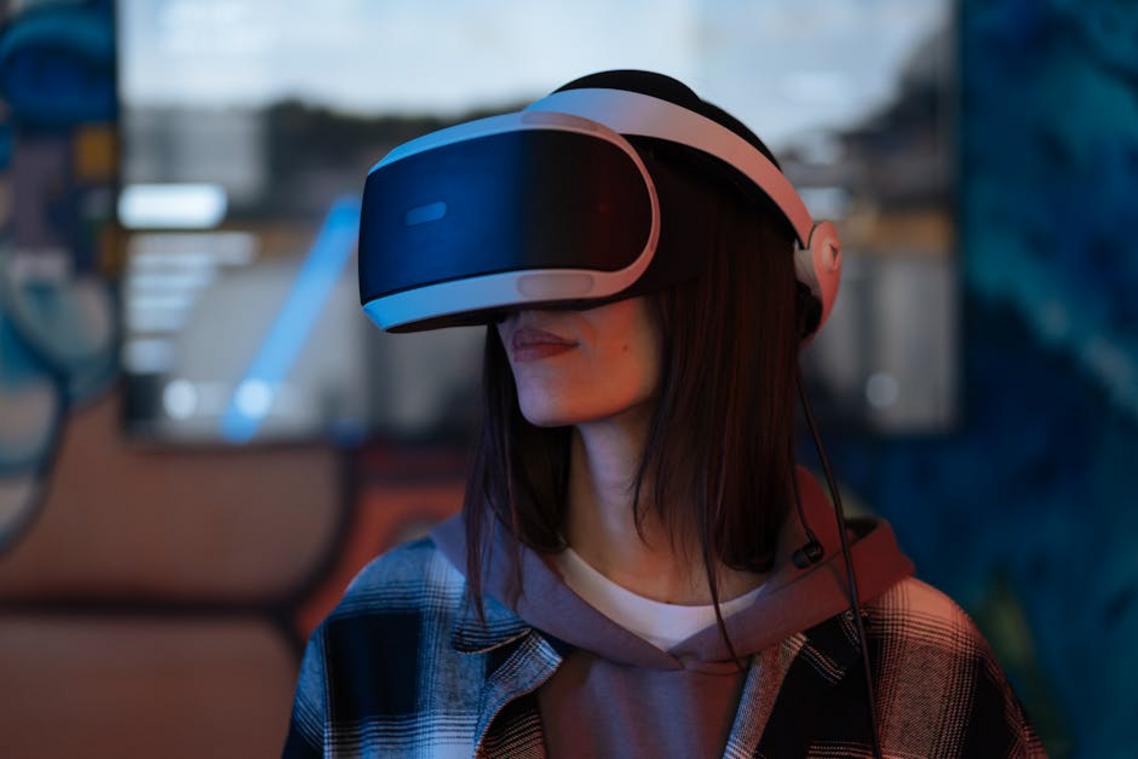
Esports isn’t just “kids playing games” anymore. As one collegiate coach recently told me, “Our scrim schedule looks more organized than some minor league baseball teams.” And honestly, he’s not wrong.
The Rise of Tier 2 Scenes
Tier 2 refers to semi-professional, amateur, and collegiate leagues that sit just below the top pro tier. Historically unstable, these scenes are now developer-supported pipelines. Riot and Valve have expanded academy systems, while universities across North America and Asia offer structured leagues and scholarships (NACE, 2024). Consequently, aspiring pros no longer rely on random ranked ladders—they develop within formal ecosystems. “We scout college VODs weekly,” one esports GM said. That stability mirrors traditional farm systems (think NBA G League).
Franchising and Profitability
Meanwhile, franchising models—where teams buy permanent league slots—are pushing sustainability. Critics argue franchising limits grassroots growth. Fair point. However, media rights, sponsorship bundles, and digital skins tied to teams create predictable revenue streams. As one executive bluntly put it, “Profitability beats hype.” This shift aligns with broader gaming industry trends 2026 projections toward diversified monetization. It also echoes insights from how live service games are redefining player engagement.
Mobile Esports Goes Global
Finally, mobile esports is surging. With Southeast Asia and Latin America driving viewership (Newzoo, 2025), analysts predict a mobile title will crack the global top five by 2026. “Mobile is the sleeping giant,” one tournament organizer said. Not anymore.
The End of the Box: Cloud Gaming and Hardware Independence
By 2026, cloud gaming makes high-end consoles optional. Instead of chasing the latest GPU, you stream AAA titles directly to smart TVs, low-spec laptops, or phones with near-native performance. Hardware independence—the ability to play cutting-edge games without owning powerful devices—means more freedom and lower upfront costs (your wallet finally gets a break).
Subscription services like Game Pass Ultimate and PlayStation Plus Premium are becoming the default. Rather than buying individual titles, players gain:
• Instant access to large libraries
• Cloud saves, cross-play, and exclusive perks
Some critics argue subscriptions reduce ownership. Fair point. But for most players, variety and flexibility outweigh collecting digital dust.
Even more exciting are cloud-native games—titles built to use server-side processing for massive simulations and huge player counts impossible on local machines. Think battles at MMO scale without frame drops. As gaming industry trends 2026 evolve, the real benefit is simple: play anywhere, instantly, without the box.
Level Up With the Right Strategy for 2026
You came here to understand where competitive play, multiplayer innovation, and strategic gameplay are headed next—and now you have a clearer picture of how gaming industry trends 2026 are shaping the battlefield. From evolving esports dynamics to smarter in-game economies and community-driven development, the direction is clear: adapt early or fall behind.
The biggest frustration for serious players and competitors isn’t lack of passion—it’s falling behind the meta, missing key updates, or not understanding how shifting mechanics impact performance. As games evolve faster than ever, staying informed is no longer optional. It’s your competitive edge.
Now it’s time to act. Start applying these insights to your daily play, refine your multiplayer strategies, and track emerging mechanics before they dominate the scene. If you’re serious about staying ahead, tap into expert breakdowns, proven esports strategies, and daily gaming hacks trusted by competitive players worldwide.
Don’t wait for the next patch to expose your weaknesses. Upgrade your strategy today and stay ahead of the curve—because the players who prepare now will dominate tomorrow.
 Deloresentia Villanueva writes the kind of core game mechanics and strategies content that people actually send to each other. Not because it's flashy or controversial, but because it's the sort of thing where you read it and immediately think of three people who need to see it. Deloresentia has a talent for identifying the questions that a lot of people have but haven't quite figured out how to articulate yet — and then answering them properly.
They covers a lot of ground: Core Game Mechanics and Strategies, Daily Gaming Setup Hacks, Expert Breakdowns, and plenty of adjacent territory that doesn't always get treated with the same seriousness. The consistency across all of it is a certain kind of respect for the reader. Deloresentia doesn't assume people are stupid, and they doesn't assume they know everything either. They writes for someone who is genuinely trying to figure something out — because that's usually who's actually reading. That assumption shapes everything from how they structures an explanation to how much background they includes before getting to the point.
Beyond the practical stuff, there's something in Deloresentia's writing that reflects a real investment in the subject — not performed enthusiasm, but the kind of sustained interest that produces insight over time. They has been paying attention to core game mechanics and strategies long enough that they notices things a more casual observer would miss. That depth shows up in the work in ways that are hard to fake.
Deloresentia Villanueva writes the kind of core game mechanics and strategies content that people actually send to each other. Not because it's flashy or controversial, but because it's the sort of thing where you read it and immediately think of three people who need to see it. Deloresentia has a talent for identifying the questions that a lot of people have but haven't quite figured out how to articulate yet — and then answering them properly.
They covers a lot of ground: Core Game Mechanics and Strategies, Daily Gaming Setup Hacks, Expert Breakdowns, and plenty of adjacent territory that doesn't always get treated with the same seriousness. The consistency across all of it is a certain kind of respect for the reader. Deloresentia doesn't assume people are stupid, and they doesn't assume they know everything either. They writes for someone who is genuinely trying to figure something out — because that's usually who's actually reading. That assumption shapes everything from how they structures an explanation to how much background they includes before getting to the point.
Beyond the practical stuff, there's something in Deloresentia's writing that reflects a real investment in the subject — not performed enthusiasm, but the kind of sustained interest that produces insight over time. They has been paying attention to core game mechanics and strategies long enough that they notices things a more casual observer would miss. That depth shows up in the work in ways that are hard to fake.